
Sorry, nothing in cart.
Welcome to Pills4cure
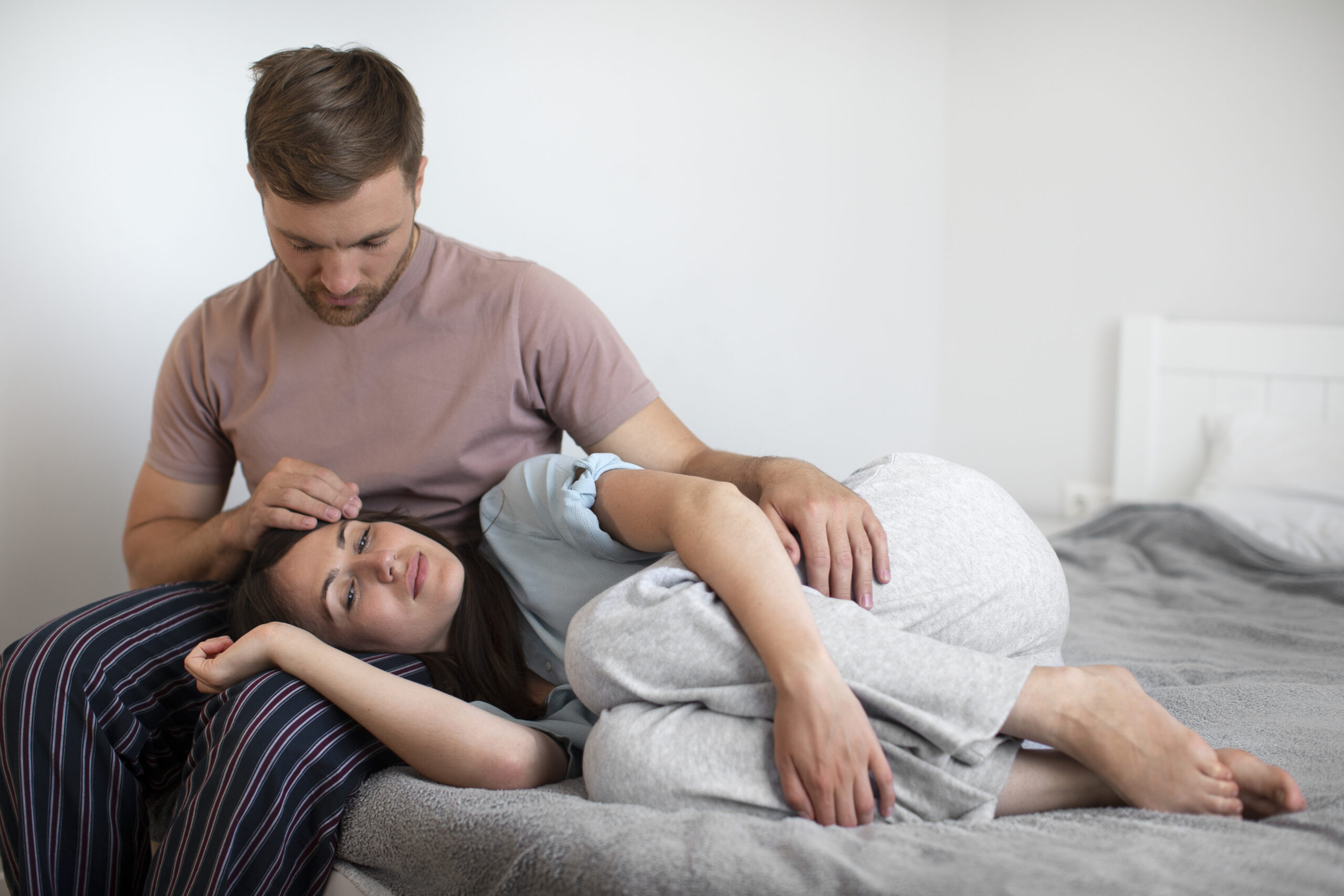
Why Do I Cramp After Sex?
- By admin
- |
- General Blog
- |
Experiencing cramps after sex can be uncomfortable and worrying for many women. Cramps happen when muscles tighten or become strained. During sex, the pelvic muscles sometimes work harder, which can cause mild cramping after intercourse. In most cases, this discomfort is temporary, harmless, and can usually be treated at home. In some cases, it may be a sign of an underlying gynecological or medical condition that requires medical attention.
In this guide, you’ll learn the common causes of cramping after good sex, how to relieve the discomfort, and when it’s important to see a healthcare provider.
What Does It Mean to Cramp After Sex?
Cramping after sex refers to pain or discomfort in the lower abdomen, pelvis, or uterus that occurs during or after sexual intercourse. The pain may feel like menstrual cramps, muscle spasms, or a dull ache.
For many people, these sharp cramps go away within a few minutes or hours. However, frequent or severe pain should not be ignored.
Common Causes of Cramping After Sex
1. Orgasm-Related Uterine Contractions
One of the most common reasons for cramping after sex is the natural contraction of the uterus during orgasm.
These contractions help the reproductive organs return to their normal state after sexual activity. Some people feel mild cramps similar to period pain, which usually disappear within a short time.
2. Deep Penetration
Deep penetration is one of the most common reasons some women experience sharp cramps after sex. During intercourse, the penis may press against the cervix (the lower part of the uterus) and the surrounding pelvic tissues. This pressure can temporarily irritate sensitive tissues and trigger mild cramping or pelvic discomfort after sex. In some cases, the pelvic floor muscles may also become strained or tighten during vigorous or prolonged intercourse, leading to muscle strain and cramping that can last for several minutes or even hours after sex.
3. Ovulation
Ovulation is another common cause of cramps after sex. It usually occurs around the middle of the menstrual cycle when one of the ovaries releases an egg. During this time, the ovaries and surrounding tissues become more sensitive.
Having sex during ovulation may make this discomfort more noticeable. Some women experience mild cramping or a sharp pain on one side of the lower abdomen, which usually goes away on its own within a few hours.
4. Muscle Strain
Sex is a physical activity that involves the pelvic floor, abdominal, and hip muscles. Just like exercise, these muscles can become strained or overworked during sex, leading to mild cramping afterward.
Tight muscles, dehydration, prolonged or vigorous intercourse, and certain sexual positions can all contribute to temporary muscle cramps. In most cases, the discomfort goes away within a few minutes to a few hours with rest and proper hydration.
5. Urinary Tract Infection (UTI)
A urinary tract infection (UTI) can cause cramps after having sex because the bladder and urinary tract become inflamed and sensitive. During sexual activity, pressure and movement around these areas can increase irritation, making lower abdominal pain more noticeable. Along with cramping, you may also experience burning while urinating.
6. Lack of Lubrication
Not enough vaginal lubrication during sex can increase friction, causing irritation and discomfort in the vaginal and pelvic tissues. This extra friction may lead to mild cramping or pelvic pain after intercourse.
7. Endometriosis
Endometriosis is a chronic disease condition in which tissue similar to the lining of the uterus grows outside the uterus. This tissue can become inflamed and painful, especially during or after sex. As a result, some women experience deep pelvic pain or cramping that may last for several hours after intercourse.
8. Sexually Transmitted Infections (STIs)
Some sexually transmitted infections (STIs) can cause cramping or pelvic pain after sex by irritating the reproductive organs and causing inflammation. Infections such as chlamydia and gonorrhea may not cause symptoms at first, but they can lead to discomfort during or after intercourse if left untreated.
9. Anxiety and Depression
Anxiety and depression can sometimes contribute to cramps after sex. Stress and emotional tension may cause the pelvic floor muscles to tighten, leading to muscle spasms or pelvic discomfort during or after intercourse. These conditions may also reduce sexual arousal and natural lubrication, increasing the risk of discomfort.
10. Postpartum Recovery
Some women may experience cramps after sex during the postpartum recovery period. After childbirth, the uterus, pelvic floor muscles, and vaginal tissues need time to heal. Sexual activity before the b
Can Men Experience Cramps After Sex?
Yes. Although cramps after sex are more common in women, men can also experience them. Muscle strain, pelvic floor muscle spasms, prostatitis (inflammation of the prostate), or a urinary tract infection (UTI) may cause pain or cramping after ejaculation.
How to Relieve Cramps After Sex
If your cramps are mild, they usually improve on their own within a few hours. The following tips may help relieve the discomfort:
- Rest and give your body time to recover.
- Apply a heating pad or warm compress to your lower abdomen.
- Drink plenty of water to stay hydrated.
- Take a warm bath to help relax your pelvic muscles.
- Avoid vigorous sexual activity until the pain goes away.
- Use a water-based lubricant if vaginal dryness is causing discomfort.
- If recommended by your healthcare provider, you may take an over-the-counter Nsaid drug Brufen 200mg
pain reliever.
If your cramps are severe, keep coming back, or are accompanied by heavy bleeding, fever, or unusual vaginal discharge, seek medical attention.
When Should You See a Doctor?
Mild cramps after sex are usually not a cause for concern and often improve within a few hours. However, you should see a healthcare provider if you experience:
- Severe or worsening pelvic pain
- Cramps that last longer than 24 hours
- Pain after sex that happens repeatedly
- Heavy vaginal bleeding or bleeding after menopause
- Fever, chills, or unusual vaginal discharge
- Painful urination or blood in the urine
- Dizziness, fainting, or severe abdominal pain
These symptoms may be a sign of an underlying condition, such as an infection, endometriosis, or another gynecological problem that requires medical evaluation.
Frequently Asked Questions
Q1. Is cramping after sex normal?
Ans: Mild cramping that goes away quickly is often normal, especially after orgasm or deep penetration. Persistent or severe pain should be evaluated by a healthcare provider.
Q3. Can pregnancy cause cramps after sex?
Ans: Yes. Mild cramping can occur during pregnancy because of increased blood flow and uterine sensitivity. However, pregnant individuals should contact their healthcare provider if cramps are severe, persistent, or accompanied by bleeding.
Q4. Why do I only cramp after orgasm?
Ans: Orgasm causes the uterus and pelvic muscles to contract. Some people are more sensitive to these contractions and may experience temporary cramping afterward.
Q5. Can dehydration cause cramps after sex?
Ans: Yes. Dehydration may increase the risk of muscle cramps, including those affecting the pelvic muscles.