
Sorry, nothing in cart.
Welcome to Pills4cure
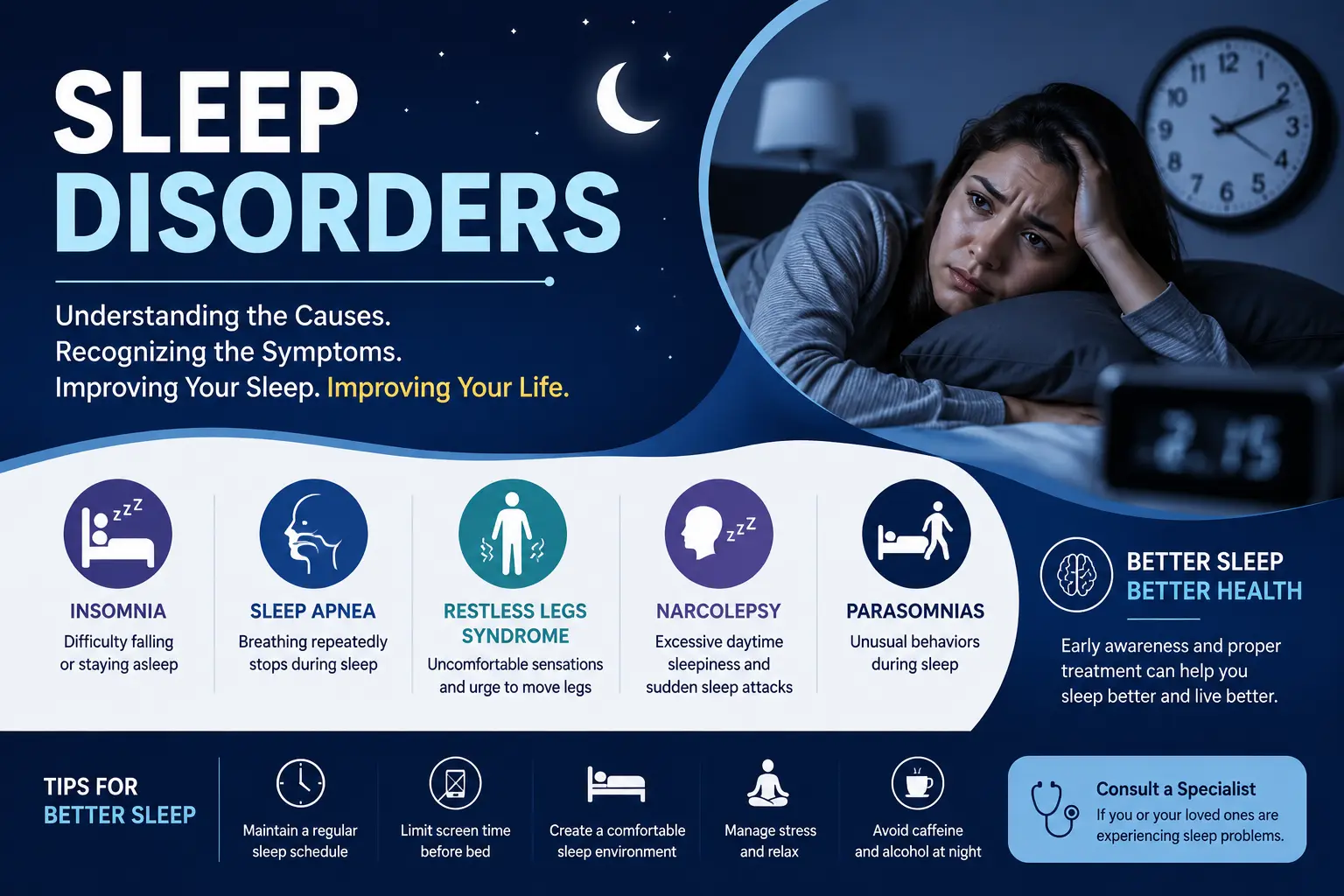
Sleep Disorders: Causes, Symptoms, Types, and Treatment
- By admin
- |
- General Blog
- |
Sleep is an essential part of maintaining good physical and mental health. It allows the body to rest, repair tissues, strengthen the immune system, and support cognitive functions. However, millions of people worldwide struggle with sleep disorders that interfere with their ability to get quality rest. Sleep disorders can affect daily activities, mood, productivity, and overall well-being.
A sleep disorder is a condition that regularly impacts a person’s ability to sleep well. While occasional sleep disturbances are common, persistent sleep problems may indicate an underlying sleep disorder that requires medical attention.
This article explores the causes, symptoms, common types, diagnosis, and treatment options for sleep disorders.
What Is a Sleep Disorder
A sleep disorder is a medical condition that disrupts normal sleep patterns. It affects the ability to fall asleep, stay asleep, achieve restful sleep, or remain awake during the day. Sleep disorders can be temporary or chronic and significantly impact a person’s quality of life.
Untreated sleep disorders can lead to various health complications, including heart disease, diabetes, obesity, depression, and weakened immunity.
Types of Sleep Disorders
There are more than 80 recognized sleep disorders that can affect sleep quality, daily functioning, and overall health. Some of the most common types include:
1. Insomnia: is a sleep disorder that makes it difficult to fall asleep, stay asleep, or return to sleep after waking up. It can be short-term or chronic and often affects daily functioning and overall well-being.
2. Sleep Apnea: is one of the most common sleep-related breathing disorders, characterized by repeated pauses in breathing during sleep. These interruptions can reduce oxygen levels, disrupt sleep quality, and lead to excessive daytime sleepiness and other health complications.
3. Narcolepsy: is a chronic neurological sleep disorder that affects the brain’s ability to regulate sleep-wake cycles. People with narcolepsy may experience overwhelming daytime sleepiness and sudden episodes of falling asleep, even during normal daily activities.
4. Restless Legs Syndrome (RLS): is a sleep-related movement disorders. It causes strong uncontrollable urge to move the legs, often accompanied by uncomfortable sensations such as tingling, crawling, or burning. Symptoms typically worsen during periods of rest and at night, making it difficult to fall asleep.
5. Circadian Rhythm Sleep Disorders occur when the body’s internal clock is not in sync with the normal day-night cycle. As a result, people may experience poor sleep quality, daytime tiredness, and difficulty performing daily activities.
6. Parasomnias: are sleep disorders that cause unusual behaviors during sleep. These may include sleepwalking, sleep talking, night terrors, or acting out dreams. Parasomnias can disrupt sleep and may sometimes increase the risk of injury to the person or others nearby.
Common Symptoms of Sleep Disorders
The symptoms of sleep disorders vary depending on the condition, but common signs include:
- Difficulty falling asleep: Trouble falling asleep after going to bed.
- Frequent waking during the night: Waking up multiple times and having difficulty returning to sleep.
- Waking up too early: Consistently waking earlier than desired and being unable to fall back asleep.
- Excessive daytime sleepiness: Feeling unusually sleepy or tired during the day.
- Difficulty concentrating: Problems with focus, memory, and attention.
- Irritability and mood changes: Increased frustration, anxiety, or emotional sensitivity.
- Fatigue and low energy: Persistent tiredness and lack of energy throughout the day.
- Snoring or breathing interruptions during sleep: Common signs of sleep-related breathing disorders such as sleep apnea.
- Unusual movements during sleep: Sleepwalking, kicking, jerking, or other abnormal movements while sleeping.
- Anxiety related to sleeping: Worry or stress about falling asleep or getting enough rest.
If these symptoms occur frequently and affect your daily life, it is important to consult a healthcare professional for proper diagnosis and treatment.
Causes of Sleep Disorders
Sleep disorders can develop due to a variety of physical, psychological, lifestyle, and environmental factors. Identifying the underlying cause is important for effective treatment and improved sleep quality.
1. Stress and Anxiety
Stressful life events, work pressure, financial concerns, and anxiety can make it difficult to relax and fall asleep, often leading to insomnia and other sleep disturbances.
2. Mental Health Conditions
Depression, anxiety disorders, bipolar disorder, and other mental health conditions can significantly affect sleep patterns and increase the risk of sleep disorders.
3. Medical Conditions
Certain health conditions can interfere with normal sleep, including:
- Chronic pain
- Asthma
- Acid reflux (GERD)
- Heart disease
- Thyroid disorders
- Neurological conditions
4. Poor Sleep Habits
Unhealthy sleep routines can contribute to sleep problems, such as:
- Irregular sleep schedules
- Excessive screen time before bed
- Taking long daytime naps
- Sleeping in an uncomfortable environment
5. Caffeine, Alcohol, and Nicotine
Consuming stimulants like caffeine and nicotine or drinking alcohol close to bedtime can disrupt the body’s natural sleep cycle and reduce sleep quality.
6. Sleep-Related Disorders
Conditions such as sleep apnea, restless legs syndrome (RLS), and circadian rhythm sleep disorders can directly interfere with healthy sleep.
7. Medications
Some prescription and over-the-counter medications may cause sleep disturbances as a side effect, including certain antidepressants, stimulants, and blood pressure medications.
8. Environmental Factors
External factors that may affect sleep include:
- Noise pollution
- Excessive light exposure
- Extreme temperatures
- Uncomfortable bedding
9. Shift Work and Jet Lag
Working night shifts or frequently traveling across time zones can disrupt the body’s internal clock, leading to sleep difficulties and daytime fatigue.
10. Genetic Factors
Some sleep disorders, including narcolepsy and restless legs syndrome, may have a hereditary component and run in families.
Understanding the causes of sleep disorders can help individuals take appropriate steps to improve their sleep health and seek treatment when necessary.
Treatment Options for Sleep Disorders
Treatment depends on the specific sleep disorder and its underlying cause.
Lifestyle Changes
Improve Sleep Hygiene
- Maintain a consistent sleep schedule
- Create a comfortable sleep environment
- Avoid screens before bedtime
- Limit caffeine and alcohol
Exercise Regularly
Physical activity can improve sleep quality and reduce stress.
Cognitive Behavioral Therapy (CBT)
CBT is particularly effective for insomnia. It helps individuals identify and change thoughts and behaviors that interfere with sleep.
Medical Devices
For sleep apnea, Continuous Positive Airway Pressure (CPAP) machines are commonly prescribed.
Medications
Doctors may prescribe medications to help manage certain sleep disorders, including:
- Sleep aids such as Lunesta 2 mg for insomnia.
- Wakefulness-promoting agents (Modafinil) for excessive daytime sleepiness and narcolepsy.
- Medications for restless legs syndrome (RLS) to help reduce symptoms and improve sleep quality.
Important: Medications should only be used under the guidance and supervision of a healthcare professional.
Also Read: Natural remedies for deep sleep
Tips for Better Sleep
Follow these habits to promote healthy sleep:
- Go to bed and wake up at the same time daily.
- Keep your bedroom cool, dark, and quiet.
- Avoid large meals before bedtime.
- Limit caffeine intake in the evening.
- Exercise regularly.
- Practice relaxation techniques.
- Reduce screen exposure before sleep.
When to See a Doctor
Consult a healthcare professional if:
- Sleep problems persist for several weeks.
- Daytime fatigue affects daily activities.
- You experience breathing interruptions during sleep.
- You frequently fall asleep unexpectedly during the day.
- Sleep issues affect your mental health.
Early diagnosis and treatment can help prevent complications and improve quality of life.