
Sorry, nothing in cart.
Welcome to Pills4cure

First-aid used in Acute Pain
- By admin
- |
- General Blog
- |
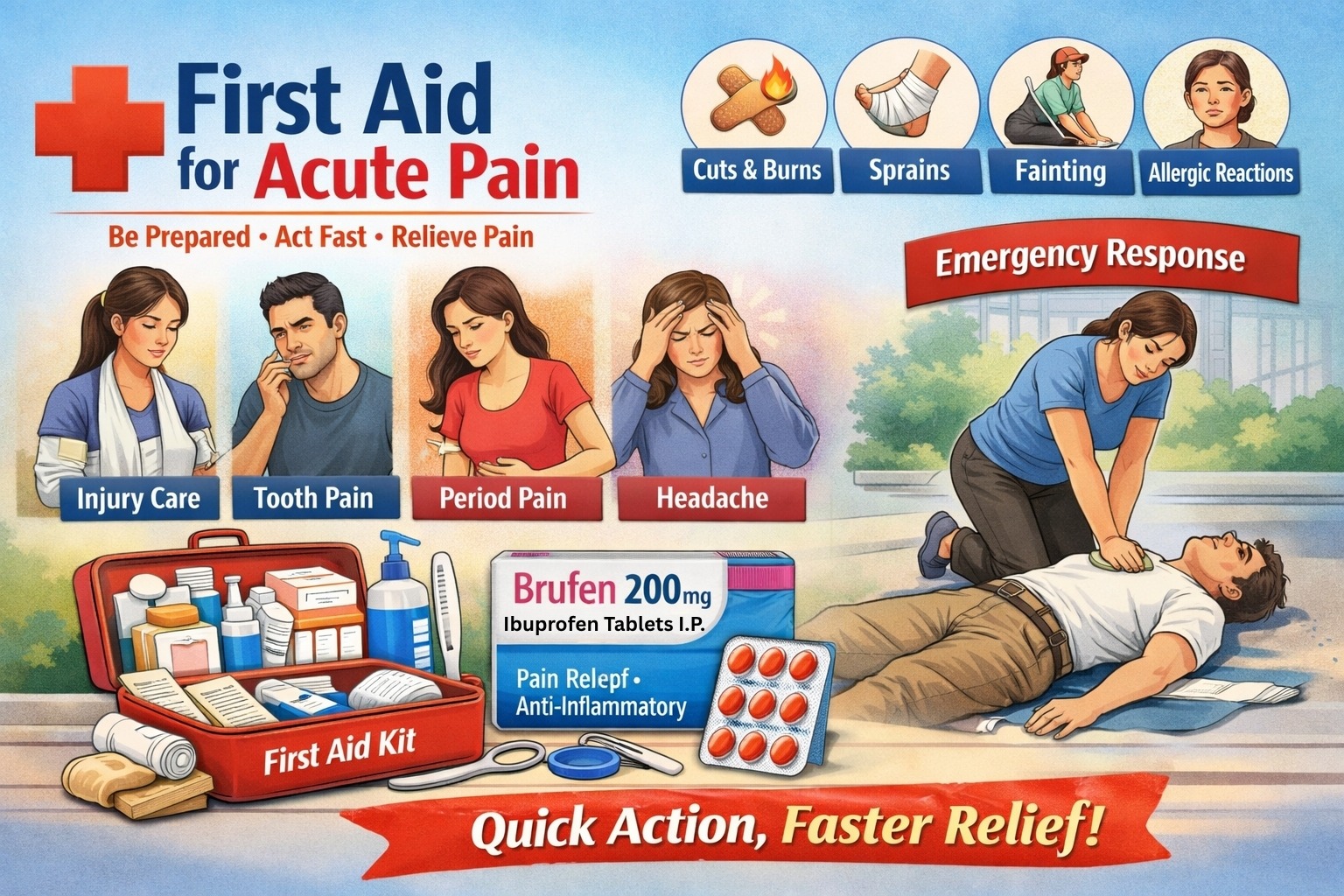
First aid is the immediate care or assistance given to a person who is injured or suddenly becomes ill before professional medical help arrives. It is the first and most crucial step in saving a life, reducing pain, including sudden acute pain, tooth pain, and period pain, and preventing a condition from getting worse. Whether it’s a small cut, a burn, or a more serious situation like a fracture or fainting, first aid acts as a temporary but powerful response.
In simple words, first aid is not a complete treatment it is the first response that helps stabilize a person until proper medical care is available. Anyone can learn and provide first aid, which makes it a life-saving skill for families, travelers, and everyday individuals.
Why Is It Called First Aid
The term “first aid” comes from two simple ideas: “first,” meaning immediate or initial, and “aid,” meaning help or assistance. Together, it refers to the first help given to someone in need. It emphasizes urgency because accidents and medical emergencies often happen without warning.
The concept has been used for decades in emergency care systems around the world. It highlights the importance of acting quickly, even before doctors or paramedics arrive. That early response can make a huge difference in recovery outcomes.
Why Is First Aid Important in Acute Situations
First aid is especially important in acute situations because it can save lives, reduce acute pain, prevent conditions from worsening, and support faster recovery. In many emergencies, the first few minutes are critical, and taking the right action during this time can significantly lower the risk of serious complications.
For example, stopping bleeding quickly can prevent excessive blood loss, cooling a burn can minimize skin damage, and providing CPR can help keep a person alive until advanced medical care arrives. In sudden acute conditions like injuries, tooth pain, or severe discomfort, first aid also builds confidence and preparedness, helping individuals stay calm and respond effectively when it matters most.
Where Is First Aid Used
First aid is useful everywhere at home, workplaces, schools, during travel, and even in public places. Accidents don’t come with warnings, so being prepared in all environments is essential.
At home, it helps handle minor injuries like cuts, burns, or sprains. In workplaces, especially physically demanding jobs, first aid is critical for handling injuries quickly. Travelers often rely on first aid kits for unexpected situations like motion sickness, dehydration, or minor infections. Even in daily outdoor activities, first aid knowledge ensures safety.
What Can You Keep in a First Aid Kit
A well-prepared first aid kit should include basic medical supplies and essential medications that can handle common emergencies. Keeping these items ensures that you are ready for both minor and moderate health issues.
You can include adhesive bandages for small cuts, antiseptic creams to prevent infections, gauze pads and medical tape for wound care, scissors, cotton, and gloves for hygiene. Thermometers help monitor body temperature, while ORS (oral rehydration salts) helps in dehydration.
Pain relief medicines, muscle relaxants, and anti-inflammatory tablets are also important additions. Keeping these items organized in a compact box makes them easy to access during emergencies.
Why Should You Keep a First Aid Kit
Having a first aid kit is about being prepared for unexpected situations. It helps provide immediate care, reduces panic, and ensures quick action. A properly stocked kit can prevent minor injuries from becoming serious problems.
For families, it ensures safety for children and elderly members. For travelers, it acts as a safety companion. In workplaces, it is essential for employee safety compliance. Overall, it provides peace of mind knowing that help is always within reach.
How to Use a First Aid Kit Properly
Using a first aid kit properly requires basic knowledge of handling injuries. For cuts, clean the wound and apply antiseptic before covering it. For burns, cool the area with water and apply soothing ointment. For sprains, rest and support the affected area.
Always use clean hands or gloves while treating injuries to avoid infection. Read instructions on medicines before use, and avoid overuse of painkillers. If a condition is serious or does not improve, seeking medical help is necessary.
Ibuprofen for Acute Pain Relief in First Aid
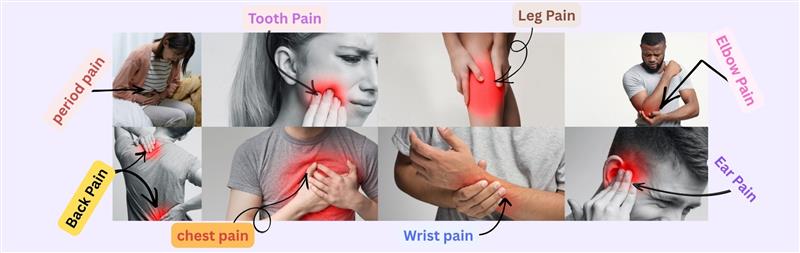
Ibuprofen is a commonly used over-the-counter (OTC) pain reliever that plays an important role in managing acute pain during first aid situations. It belongs to a group of medicines called non-steroidal anti-inflammatory drugs (NSAIDs), which help reduce pain, swelling, and inflammation. In cases like tooth pain, muscle injury, period cramps, or minor sprains, Ibuprofen can provide quick and effective relief when used as directed. Keeping ibuprofen in your first aid kit ensures that you are prepared to handle sudden discomfort until proper medical care is available.
Medical Uses of Brufen 200mg
Brufen 200mg tablets is prescribed for several health conditions, including:
- Pain Relief: Headache, Toothache, Muscle pain, Back pain, Joint pain
- Arthritis: Brufen is commonly used to manage symptoms of: Osteoarthritis, Rheumatoid arthritis. It reduces joint inflammation, stiffness, and swelling.
- Fever Reduction: Brufen is also used as an antipyretic to treat fever caused by infections or illnesses.
- Menstrual Pain: Women experiencing painful periods due to Dysmenorrhea can use Brufen to reduce cramps and discomfort.
- Sports Injuries: It helps reduce inflammation and pain associated with sprains, strains, and minor injuries.
When Should You Use First Aid for Acute Pain
First aid should be used immediately when a person experiences acute pain, especially after an injury or sudden medical condition. Acute pain is typically sharp, sudden, and may result from muscle strain, sprains, fractures, or inflammation. Providing quick first aid can help reduce pain intensity and prevent the condition from worsening.
In cases of acute pain, common first aid measures include:
- Resting the affected area to avoid further injury
- Applying ice packs to reduce swelling and pain
- Using compression or support if needed
- Elevating the injured area to control inflammation
These steps can provide immediate relief and stabilize the condition until further treatment is available.
However, first aid is not a substitute for professional medical care. If the pain is severe, persistent, or accompanied by swelling, numbness, or loss of movement, it is important to seek medical attention promptly.
First Aid Medicines You Can Keep from Pills4Cure
When building a modern first aid box, adding reliable medications can improve your ability to manage pain and discomfort effectively without doctor prescription. At Pills4Cure, you can find a variety of medicines that are commonly used for first aid support.
For immediate relief from acute pain, medications like Ibuprofen are commonly used to reduce pain, inflammation, and swelling in conditions such as injuries, toothaches, or period cramps. In cases of sudden muscle spasms, strains, or injury-related discomfort.
Final Thoughts on First Aid for Acute Situations
First aid is a simple yet powerful skill that everyone should understand, especially when dealing with sudden or acute situations. It is not just about treating injuries it is about being prepared, staying calm, and responding quickly to reduce acute pain and prevent conditions from worsening. From small cuts and burns to sudden tooth pain, period pain, or unexpected injuries, first aid plays a vital role in providing immediate relief and supporting faster recovery.
Creating a well-equipped first aid kit with essential supplies and trusted medications from Pills4Cure ensures that you are always ready to manage acute pain and emergencies effectively. With the right knowledge and preparation, you can take timely action and make a meaningful difference when it matters most.