
Sorry, nothing in cart.
Welcome to Pills4cure

Severe Pain Management and Treatment
- By admin
- |
- General Blog
- |
If you are dealing with severe types of pain, then definitely you know how challenging it can be to navigate effects on your daily life. This discomfort can make it difficult to focus on anything else and can affect your overall physical and mental health.
However, it’s important to remember that you are not alone for it. There are many treatment options are available to help and manage severe pain.
In Pills4cure blog, we will explore various types of solutions for managing severe pain. Medication, and physical therapy to relaxation techniques and lifestyle changes. So keep reading.
What is Severe Pain?
Severe pain is described as a intense discomfort or acute pain that can be difficult to tolerate. It affect a person’s ability to perform their day to day activities like walking, working, or even sleeping. Pain is the body’s way of alerting us that something might be wrong, like an injury or illness. When the pain is sudden and very strong (called acute pain), it could be a sign of a serious health problem. On a pain scale from 0 to 10 where 0 means no pain and 10 means the worst pain you can imagine severe pain is usually rated as a 7 or higher.
Severe pain comes with other symptoms like swelling, redness, or stiffness in the part of the body that’s hurting. In many cases, this kind of pain may need medical attention or treatment to help manage it and find out what’s causing it.
What are the Main Causes of It?
This types of pain have many different causes, some of which include:
- Due to Injuries: Injuries to bones, muscles, ligament, or tendons can cause severe pain. Examples include fractures, sprains, strains, and dislocations.
- Due to Infections: Infections can cause pain in various parts of the body, such as toothaches, earaches, and sinusitis.
- Due to Medical conditions: Certain medical conditions can cause acute pain, such as cancer, arthritis, fibromyalgia, and migraine headaches.
- Due to Nerve damage: Nerve damage or injury can cause chronic pain or acute pain, such as in the case of neuropathic pain.
- Surgery: Pain is a common side effect of surgical procedures, and the severity of the pain can depend on the type of surgery and the individual’s pain tolerance.
- Chronic conditions: Chronic conditions such as back pain, migraines, and fibromyalgia can cause chronic pain that can be difficult to manage.
- Psychological factors: Psychological factors such as stress, anxiety, and depression can contribute to the severity of pain experienced by an individual.
It is important to seek medical advice if you are experiencing severe pain to determine the underlying cause and receive appropriate treatment for it.
What are the Symptoms of Severe Pain?
The symptoms of severe pain can depend on the underlying cause and the affected area of the body.
Some common symptoms include:
- Intense pain: Severe pain is usually the most prominent symptom and can be described as sharp, shooting, burning, or throbbing.
- Swelling: Inflammation and swelling can occur in the affected area, which may contribute to the pain.
- Redness: The affected area may become red or warm to the touch.
- Stiffness: Acute pain can lead to stiffness and limited mobility in the affected area.
- Nausea and vomiting: In some cases, acute pain can cause nausea and vomiting.
- Difficulty sleeping: Pain can make it difficult to get comfortable and fall asleep, which can lead to fatigue and other health problems.
- Loss of appetite: Severe pain can sometimes cause a loss of appetite or difficulty eating.
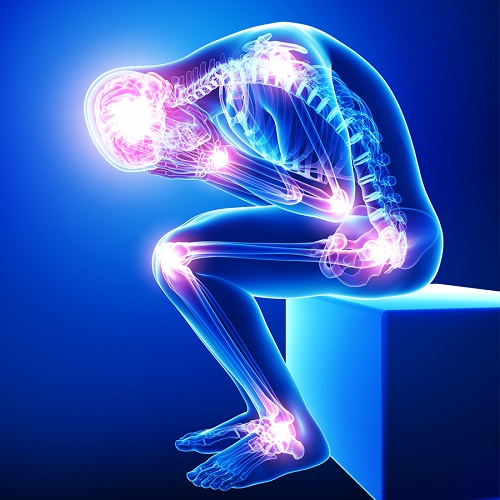
It is important to seek medical attention if you are experiencing this type of pain, especially if it is accompanied by other symptoms or affects your ability to perform daily activities.
What is the Best Treatment for Sever Pain?
The best treatment options for severe pain depend on the underlying cause and severity of the pain.
In some cases, pain may resolve on its own over time, while in other cases, medical treatment may be necessary.
Some common treatments options for severe pain include:
- Medications: Over-the-counter or prescription medications such as Tapentadol, ibuprofen, or opioids may be prescribed to manage pain.
- Physical therapy: Physical therapy or other rehabilitative treatments can help alleviate pain and restore mobility.
- Surgery: Surgery may be necessary in cases where the pain is caused by a structural problem that can be corrected through surgical intervention.
- Nerve blocks: Nerve blocks involve injecting an anesthetic or other medication into a specific nerve to block pain signals.
- Massage therapy: Massage therapy can help reduce muscle tension and alleviate pain.
- Relaxation techniques: Techniques such as deep breathing, meditation, or yoga can help reduce stress and alleviate pain.
It is important to work with a healthcare provider to determine the best course of treatment for chronic pain conditions. Some treatments may not be appropriate for all patients or may have potential side effects for a person.

Commonly Asked Questions about Severe Pain:
Q1) What level of pain is severe?
Ans: The level of pain that is considered severe can vary from person to person and depends on a range of factors, such as the cause of the pain, the individual’s pain tolerance, and their overall health.
Generally, body pain is described as intense, debilitating pain that interferes with a person’s ability to perform daily activities or impacts their quality of life.
Q2) What is an example of severe pain?
Ans: Severe pain is a type of pain that is intense, often debilitating, and can greatly impact a person’s quality of life. An example of Severe pain include a migraine headache, a severe toothache, Labor and childbirth, Burn injuries (2nd or 3rd degree) or a broken bone.
Q3) What does extreme pain feel like?
Ans: Extreme pain can be described as a sensation of intense discomfort or suffering that can range from a sharp, stabbing sensation to a dull, persistent ache.
It can be difficult to describe, but it often feels like a throbbing, pulsing, or shooting sensation that can be debilitating and all-consuming.
Q4) What happens when you are in extreme pain?
Ans: When experiencing extreme pain, the body’s natural response is to release stress hormones and other chemicals that can cause physical and emotional distress. This can lead to symptoms such as increased heart rate, sweating, anxiety, and difficulty concentrating. Managing Chronic pain through appropriate treatment and coping strategies is important for overall physical and mental well-being.
Q5) How do you deal with severe pain?
Ans: Dealing with pain involves identifying the underlying cause and working with a healthcare provider to develop an appropriate treatment plan, which may include medications, physical therapy, surgery, or other interventions.
It’s also important to practice self-care techniques such as relaxation, stress reduction, and exercise to manage pain and improve overall health and well-being.
Q6) What is the highest pain score?
Ans: The highest pain score on a pain scale is typically considered to be 10 out of 10, which represents the most severe level of pain. This level of pain can be debilitating and may require immediate medical attention.
Q7) What is the difference between chronic pain and severe pain?
Ans: Chronic pain is ongoing pain that lasts for an extended period of time, usually three months or longer.
Severe pain, on the other hand, refers to pain that is intense and debilitating. Regardless of whether it is acute or chronic. While acute pain can be chronic, not all chronic pain is necessarily severe.
Leave a Reply