
Sorry, nothing in cart.
Welcome to Pills4cure
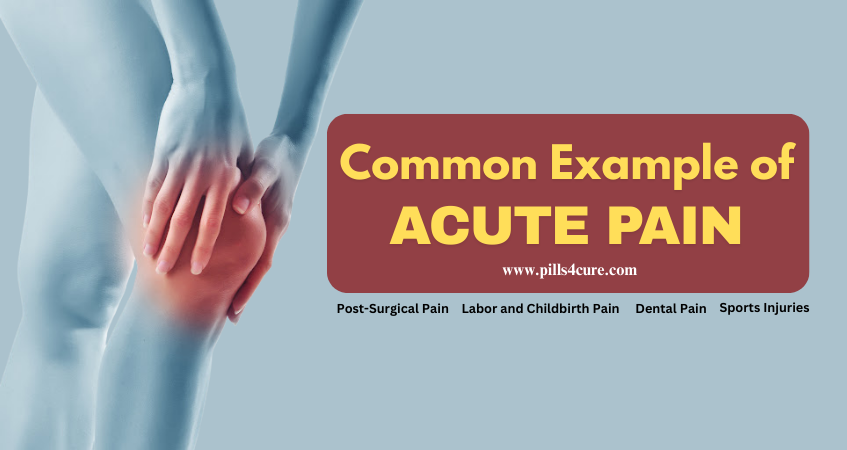
what is examples of acute pain
- By admin
- |
- General Blog
- |
Pain is the body’s way of signaling that something is wrong. Among the different types of pain, acute pain is the most common. It is a sudden, sharp discomfort that usually arises in response to an injury, surgery, or illness. Unlike chronic pain, which lingers for months or even years, acute pain is temporary and improves once the underlying cause is treated or healed.
Understanding the examples of acute pain helps patients, caregivers, and healthcare professionals recognize it early, manage it effectively, and prevent complications.
What is Acute Pain?
Acute pain is short-term pain that comes on suddenly, lasts for a limited duration (from a few seconds to several weeks), and is directly related to tissue damage or a medical condition. It serves a protective role by alerting the body to harm and prompting us to take action.
Key characteristics of acute pain:
- Sudden in onset
- Sharp or intense in nature
- Linked to an identifiable cause
- Lasts less than 3–6 months
- Improves once the cause is resolved
Common Examples of Acute Pain
Below are some of the most frequent situations in which acute pain occurs:
1. Post-Surgical Pain
After surgery, it is normal for patients to experience acute pain due to tissue incisions, muscle manipulation, and healing processes. For example:
- Pain after appendix removal (appendectomy)
- Pain following a cesarean delivery
- Discomfort after orthopedic surgeries like knee replacement
Post-surgical pain typically lasts for a few days to weeks and can be managed with prescribed medications.
2. Fractures and Broken Bones
One of the most recognizable forms of acute pain occurs when a bone breaks. The pain is usually sharp, intense, and immediate. Patients may also notice swelling, bruising, or difficulty moving the affected limb.
- Broken arms, legs, or ribs
- Wrist fractures from falls
- Ankle fractures in sports injuries
3. Burns and Cuts
Skin injuries are classic examples of acute pain.
-
A burn from touching a hot surface causes intense, immediate pain.
-
A cut or laceration from a knife results in sharp, localized pain.
In both cases, the pain reduces as the wound heals.
4. Dental Pain
Dental issues often trigger acute pain that requires immediate attention.
- Severe toothache from cavities
- Pain after wisdom tooth extraction
- Gum infections or abscesses
Dental pain can be severe but usually subsides once treated by a dentist.
5. Labor and Childbirth Pain
Labor pain is one of the most well-known examples of acute pain. It arises during uterine contractions and delivery. While it is intense, it usually resolves shortly after childbirth. Medical interventions like epidurals can help manage it.
6. Kidney Stones
A kidney stone moving through the urinary tract causes sudden, excruciating pain known as renal colic. The pain is typically felt in the lower back, abdomen, or groin and may come in waves. Once the stone passes or is removed, the pain resolves.
7. Gallstones and Gallbladder Attacks
Gallstones can block bile flow, leading to acute abdominal pain known as biliary colic. This pain often occurs in the upper right abdomen, especially after eating fatty meals. It usually comes suddenly and lasts for a few hours.
8. Appendicitis
Appendicitis is a medical emergency where the appendix becomes inflamed. The pain begins around the navel and shifts to the lower right abdomen. It is sharp, worsening over time, and requires surgical removal of the appendix.
9. Sports Injuries
Athletes often experience acute pain due to sudden injuries such as:
- Sprains (stretching or tearing of ligaments)
- Strains (injury to muscles or tendons)
- Dislocations (bones forced out of place)
These pains occur immediately after the incident and usually require rest, ice, and sometimes medical attention.
10. Headaches and Migraines (Acute Episodes)
While chronic headaches exist, many people experience sudden acute headaches. Migraines, for example, cause throbbing head pain that can last from hours to days but usually resolve with treatment.
-
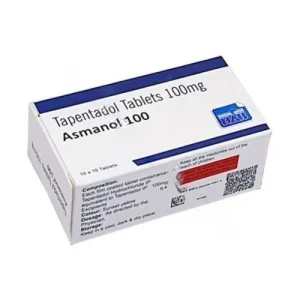
Brand Name: Asmanol 100 Generic Name: Opioid Painkiller Active Ingredient: Tapentadol Manufacturer: HAB Pharma Drug Class: Opioid Analgesic, Centrally-acting analgesic Strength: 100 mg SKU: ASMNL100 Packaging: 10 Tablet in 1 Strip Treatment: Acute Pain Time Duration: Time to work 30 minutes Price: $180 to $2000 $180.00 – $2,000.00 -
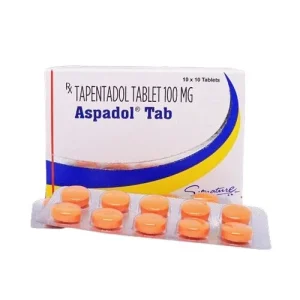
Aspadol 100 mg (Tapentadol) is an opioid drug-class painkiller medicine mostly prescribed by doctors to treat acute pain conditions when other pills do not work.
Product Name: Aspadol 100 mg Generic Name: Nucynta Active Ingredient: Tapentadol Manufacturer: Signature Pharmaceuticals Drug Class: Opioid Analgesics Strength: 100 mg SKU: ASPDL100 Packaging: 10 tablets in 1 Strip Treatment: Acute Pain Time Duration: 30 Minutes After Taking It Price: $180 to $2000 Availability: Pills4cure.com $230.00 – $2,050.00 -
Brand Name: Aspadol 150 ER Generic Name: Opioid Painkiller Active Ingredient: Tapentadol Manufacturer: Signature Pharmaceuticals Drug Class: Opioid Analgesic, Centrally-acting analgesic Strength: 150 mg SKU: ASPDL150 Packaging: 10 Tablet in 1 Strip Treatment: Chronic Pain Time Duration: Time to work 30 minutes Price: $200 to $2000 $250.00 – $2,050.00 -
Brand Name: Aspadol 50 Generic Name: Opioid Painkiller Active Ingredient: Tapentadol Manufacturer: Signature Pharmaceuticals Drug Class: Opioid Analgesic, Centrally-acting analgesic Strength: 50 mg SKU: ASPDL50 Packaging: 10 Tablet in 1 Strip Treatment: Acute moderate to severe pain Time Duration: Time to work 30 to 60 minutes & last up 4 to 6 hours. Price: $200 to $1000 $200.00 – $1,000.00


Symptoms That Accompany Acute Pain
Acute pain often comes with additional signs depending on its cause, such as:
- Swelling and redness (injuries, burns)
- Limited movement (fractures, sprains)
- Fever and nausea (appendicitis, infections)
- Cramping or contractions (labor pain)
- Sharp abdominal discomfort (gallstones, kidney stones)
Recognizing these symptoms helps in identifying the root cause quickly.
Acute Pain vs. Chronic Pain: Key Differences
| Feature | Acute Pain | Chronic Pain |
|---|---|---|
| Onset | Sudden and sharp | Gradual or persistent |
| Duration | Short-term (seconds to weeks) | Long-term (months to years) |
| Cause | Easily identifiable (injury, surgery, infection) | Often unclear or ongoing condition |
| Purpose | Protective, alerts to danger | Serves no protective role |
| Resolution | Heals with treatment | Persists even after healing |
How Acute Pain is Managed
Treatment for acute pain depends on the underlying cause but may include:
- Medications – such as NSAIDs (ibuprofen), acetaminophen, or opioids for severe cases.
- Local treatments – ice packs, heat therapy, or wound dressings.
- Surgical intervention – in cases like appendicitis or gallstones.
- Rest and rehabilitation – for fractures or sports injuries.
- Nerve blocks or anesthesia – for severe post-surgical pain.
Early management is crucial to prevent acute pain from becoming chronic pain.
Faqs
Q1. What are some common examples of acute pain?
Common examples include fractures (broken bones), burns, surgical pain, dental pain, kidney stones, gallstones, appendicitis, labor pain, and sports injuries.
Q2. How is acute pain different from chronic pain?
Acute pain is short-term, comes on suddenly, and usually resolves once the underlying cause is treated. Chronic pain lasts longer than 3–6 months and may persist even after healing.
Q3. Can acute pain become chronic?
Yes, if not treated properly or if the condition causing the pain is prolonged, acute pain may develop into chronic pain.
Q4. How long does acute pain usually last?
Acute pain may last from a few seconds or minutes (like a burn or cut) to several days or weeks (like post-surgical pain). It typically does not last more than 3–6 months.