
Sorry, nothing in cart.
Welcome to Pills4cure

Sleep Apnea: Causes, Symptoms, Treatment, and Natural Remedies
- By admin
- |
- General Blog
- |
Sleep is important for your body and brain to stay healthy. But for some people, sleep is not as restful as it should be. Sleep apnea is a condition that quietly interrupts breathing during the night, often without the person knowing it. These repeated pauses can lower oxygen levels and put stress on the heart and brain. Over time, untreated sleep apnea can lead to serious health problems and constant daytime tiredness. Recognizing the signs early can help improve both sleep quality and overall health.
What is Sleep Apnea
Sleep Apnea is one of the most common sleep-related breathing disorders in which a person’s breathing repeatedly stops and starts during sleep. These pauses in breathing can last for a few seconds to minutes and may occur many times throughout the night, disrupting normal sleep patterns. Over time, this condition can cause serious health complications if left untreated.
This condition happens when the airway becomes blocked or when the brain fails to send proper signals to control breathing. As a result, the body may briefly wake up to restore normal breathing, often without the person being aware of it.

Types of Sleep Apnea
Each type affects the body in different ways, but all can lead to poor sleep quality and potential health risks if left untreated.
1. Obstructive Sleep Apnea:
This form occurs when the muscles at the back of the throat relax excessively during sleep. As a result, the airway becomes narrowed or blocked, making it difficult for air to pass through. Breathing may stop briefly, and the brain signals the body to wake up momentarily to restore normal breathing.
2. Central Sleep Apnea (CSA):
This type happens when the brain fails to send proper signals to the muscles responsible for breathing. Unlike obstructive cases, there is no physical blockage in the airway, the issue originates from the brain’s control of breathing.
3. Complex Sleep Apnea Syndrome:
Also known as treatment-emergent central apnea, this condition is a combination of both obstructive and central forms, meaning a person experiences features of both airway blockage and disrupted brain signals.
Early diagnosis through sleep studies and proper treatment, such as CPAP therapy, lifestyle adjustments, or oral devices—can greatly improve sleep quality and overall well-being. If you notice symptoms, it is important to consult a healthcare professional to prevent long-term complications.
Symptoms of Sleep Apnea
Sleep apnea symptoms can vary depending on the severity and type of apnea. Common symptoms include:
- Loud snoring
- Episodes of breathing pauses witnessed by others
- Gasping for air during sleep
- Morning headaches
- Excessive daytime sleepiness
- Difficulty concentrating
- Irritability and mood swings
- Dry mouth or sore throat upon waking
If left untreated, sleep apnea can lead to severe health complications, including high blood pressure, heart disease, diabetes, and stroke.
Causes and Risk Factors
Several factors contribute to the development of sleep apnea, including:
- Obesity: Excess weight, especially around the neck, can block the airway.
- Age: Sleep apnea is more common in older adults.
- Gender: Men are more likely to develop sleep apnea than women.
- Family History: Genetics can play a role in the likelihood of developing sleep apnea.
- Alcohol and Sedative Use: These substances relax throat muscles, increasing airway blockage.
- Smoking: Tobacco use increases inflammation and fluid retention in the upper airway.
- Nasal Congestion: Chronic nasal congestion can contribute to airway obstruction.
- Medical Conditions: High blood pressure, type 2 diabetes, and heart disease increase the risk.
How is Sleep Apnea Diagnosed
A proper diagnosis of sleep apnea requires a medical evaluation. The most common diagnostic methods include:
- Sleep Study (Polysomnography): A comprehensive sleep test conducted in a sleep lab, which records brain activity, eye movement, heart rate, and breathing patterns.
- Home Sleep Apnea Test: A portable sleep monitoring device that measures breathing patterns, oxygen levels, and airflow while sleeping at home.
- Physical Examination: A doctor may examine the airway, throat, and nasal passages for any obstructions or abnormalities.
Treatment Options for Sleep Apnea
Sleep apnea is treatable, and the right treatment depends on the type and severity of the condition. The main goal of treatment is to keep the airway open during sleep and maintain normal oxygen levels. In some cases, doctors may also prescribe wakefulness-promoting medications such as Modalert 100 mg (Modafinil) and Artvigil 150 mg (Armodafinil) to help reduce excessive daytime sleepiness associated with sleep apnea.
1. Continuous Positive Airway Pressure (CPAP) Therapy

CPAP (Continuous Positive Airway Pressure) is the most common and effective treatment for obstructive sleep apnea. It uses a machine that delivers steady air pressure through a mask worn over the nose or mouth. This air pressure keeps the airway open and prevents breathing pauses.
2. Oral Appliances

Mandibular advancement devices (MADs) are dental devices that help keep the airway open by repositioning the jaw and tongue.
3. Surgery

In severe cases, surgical options such as uvulopalatopharyngoplasty (UPPP), tonsillectomy, or maxillomandibular advancement (MMA) may be recommended to remove excess tissue or reposition the jaw.
4. Positional Therapy
Since sleep apnea can worsen when sleeping on the back, positional therapy encourages side sleeping to prevent airway obstruction.
What Happens If Sleep Apnea Is Left Untreated
If sleep apnea is left untreated, it can lead to serious health problems over time. Repeated interruptions in breathing reduce oxygen levels in the body, putting extra strain on the heart and brain. This can increase the risk of high blood pressure, heart disease, stroke, and irregular heart rhythms.
In addition, poor sleep quality can cause excessive daytime sleepiness, difficulty concentrating, mood changes, and a higher risk of accidents at work or while driving. Over time, untreated sleep apnea may also weaken the immune system and reduce overall quality of life.
In simple terms: Ignoring sleep apnea can lead to long-term health complications and daily life difficulties, making proper diagnosis and treatment very important.
Medications for Sleep Apnea
Medication is not the primary treatment, especially for obstructive cases. Devices like CPAP are generally more effective. However, in some situations, doctors may prescribe medicines to help manage specific symptoms or certain types of the condition.
-
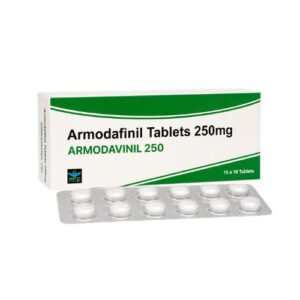
Brand Name: Armodavinil Generic Name: Armodafinil 250 Active Ingredient: Armodafinil Manufacturer: – Drug Class: Wakefulness Promoting agents Strength: 250 mg Form: Tablet Packaging: 10 Tablets in 1 Strip Treatment: Extreme Sleepiness Caused by narcolepsy Time Duration: Time to work 30 to 60 minutes $99.00 – $295.00 -
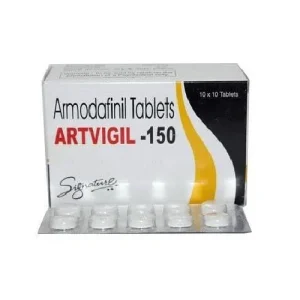
Brand Name: Artvigil 150 Generic Name: Nuvigil 150 Active Ingredient: Armodafinil Manufacturer: HAB Pharma Drug Class: Wakefulness Promoting agents Strength: 150 mg Form: Tablet Packaging: 10 Tablets in 1 Strip Treatment: Sleep Disorder Time Duration: Time to work 30 to 60 minutes Price: $80 to $350 $160.00 – $700.00 -
Brand Name: Artvigil Generic Name: Nuvigil 250 Active Ingredient: Armodafinil Manufacturer: Signature Pharma Drug Class: Wakefulness Promoting agents Strength: 250 mg Form: Tablet Packaging: 10 Tablets in 1 Strip Treatment: Extreme Sleepiness Caused by narcolepsy Time Duration: Time to work 30 to 60 minutes $125.00 – $429.00 -
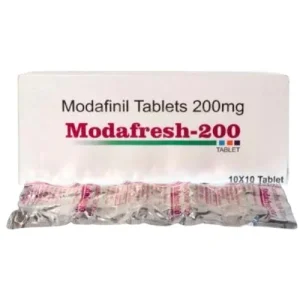
Brand Name: Modafresh 200 mg Generic Name: Modafinil 200mg Active Ingredient: Modafinil Manufacturer: Sunrise Remedies Pvt.Ltd Drug Class: Wakefulness promoting agents Treatment: Shift work disorder Strength: 200 mg SKU: MDFRSH200 Packaging: 10 Tablets in 1 Strip Price: $70 – $310 Availability: Online @Pills4cure.com Delivered Countries: USA, UK, Canada, Australia, China, Japan, South Africa $140.00 – $620.00

Natural Remedies for Sleep Apnea
- Weight Management
- Excess weight, especially around the neck, can worsen airway obstruction.
- Aim for gradual weight loss (even 10% reduction improves symptoms).
- Sleep Position Adjustments
- Sleep on your side (prevents tongue/throat collapse).
- Use a wedge pillow or elevate the head to reduce airway blockage.
- Avoid Alcohol & Sedatives
- These relax throat muscles, increasing airway collapse risk.
- Avoid smoking (irritates airways and worsens inflammation).
- Nasal Congestion Relief
- Use saline sprays, nasal strips, or a humidifier to keep nasal passages clear.
- Breathing Exercises
- Practice diaphragmatic breathing or yoga (improves respiratory muscle strength).
- Anti-Inflammatory Diet
- Focus on fruits, vegetables, whole grains, and omega-3-rich foods (reduces inflammation).
- Limit processed foods, sugar, and dairy (may trigger mucus production).
- Throat & Tongue Exercises
- Orofacial myofunctional therapy (e.g., tongue stretches, singing) tones muscles to reduce snoring.
- Hydration
- Stay hydrated to prevent mucus buildup in airways.
- Manage Allergies
- Treat allergies with antihistamines or natural remedies (e.g., steam inhalation) to reduce congestion.
- Regular Sleep Schedule
- Prioritize 7-9 hours of sleep to reduce fatigue and stabilize breathing patterns.
Can Sleep Apnea Go Away
Sleep apnea does not usually go away on its own, but in some cases, it can improve or even resolve depending on the underlying cause and lifestyle changes. For example, losing excess weight can help reduce airway blockage, especially in obstructive cases. Making healthy lifestyle adjustments such as avoiding alcohol, quitting smoking, and changing sleep positions (like not sleeping on your back) may also improve symptoms. In addition, treating underlying conditions such as nasal congestion or other health issues can further help in reducing the severity of nighttime breathing issues.
Important Notes:
- Natural remedies work best for mild sleep apnea or as a supplement to medical treatments (e.g., CPAP).
- Severe cases require professional care (untreated apnea risks heart disease, stroke, etc.).
- Always consult a doctor before stopping prescribed therapies.
Conclusion
Sleep apnea is a serious condition that needs proper management to avoid complications. While treatments like CPAP and oral devices are effective, simple lifestyle changes such as weight loss, sleep position adjustments, and throat exercises can also help improve symptoms. If you notice signs, consult a doctor for proper diagnosis and treatment.
Faqs
Q1. What is the most common cause of sleep apnea?
Ans: The most common cause of sleep apnea is a blocked airway during sleep, called obstructive sleep apnea (OSA). It happens when throat muscles relax too much and block airflow. Being overweight is the biggest risk factor.
Q2. What is the 3% rule for sleep apnea?
Ans: The 3% rule for sleep-related breathing disorder means that a breathing event (apnea or hypopnea) is counted if it causes at least a 3% drop in blood oxygen levels or briefly wakes you up from sleep. This rule is used during a sleep study to measure the severity of sleep apnea and calculate the Apnea-Hypopnea Index (AHI).
Q3. At what age does sleep apnea usually start?
Ans: Sleep apnea can start at any age, including in children, but it is most common in adults between 30 and 60 years old. The risk increases with age, especially after 40. Men are more likely to develop it earlier, while women’s risk increases after menopause.