
Sorry, nothing in cart.
Welcome to Pills4cure
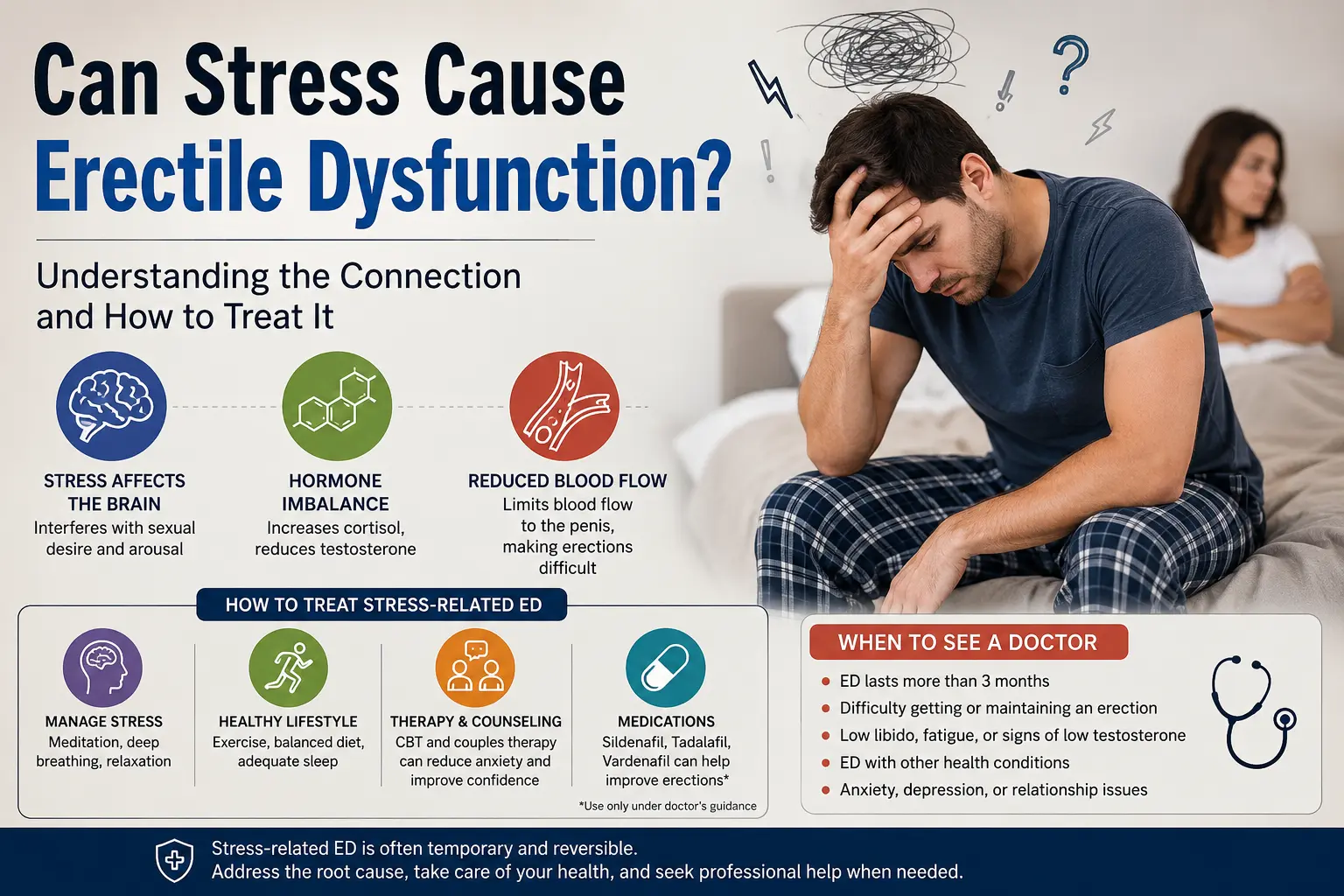
Can Stress Cause Erectile Dysfunction? Understanding the Connection and How to Treat It
- By admin
- |
- General Blog
- |
Erectile dysfunction (ED) is a common condition that affects millions of men worldwide and can result from both physical and psychological factors. Among these, stress is one of the most overlooked causes, as it can influence sexual desire, confidence, and overall performance. Whether the stress comes from work, relationships, finances, or everyday life, it may have a significant impact on sexual health.
Can Stress Really Cause Erectile Dysfunction?
Mental health conditions like anxiety and stress can cause erectile dysfunction (ED) by interfering with the communication between the brain, hormones, nerves, and blood vessels that are necessary for an erection. When you’re under stress, your body releases hormones such as cortisol and adrenaline as part of the “fight-or-flight” response. While these hormones help you respond to challenging situations, they can also reduce sexual arousal, limit blood flow to the penis, and make it more difficult to achieve or maintain an erection.
Stress-related ED is one of the most common forms of psychological erectile dysfunction. It can affect men of all ages, although it is especially common in younger men who do not have underlying medical conditions. Work pressure, financial concerns, relationship conflicts, performance anxiety, lack of sleep, and chronic stress can all contribute to erection problems.
Temporary vs. Long-Term Erectile Dysfunction
In many cases, erectile dysfunction caused by stress is temporary (acute). Once the stressful situation improves or is effectively managed, normal erectile function often returns. Temporary ED may occur during particularly stressful periods, such as major life changes, demanding work schedules, or emotional difficulties.
However, if stress becomes chronic, erectile dysfunction may persist for months or even longer. Ongoing stress can lead to anxiety, depression, poor sleep, unhealthy lifestyle habits, and reduced testosterone levels, all of which can worsen erectile function over time. Long-term ED may also indicate an underlying health condition such as diabetes, cardiovascular disease, or hormonal imbalances, making medical evaluation important if symptoms continue.
Why Stress-Related Erectile Dysfunction Is Often Reversible
Unlike erectile dysfunction caused by permanent nerve or blood vessel damage, stress-related ED is often reversible because it primarily affects psychological and hormonal pathways rather than causing structural damage to the penis. Addressing the underlying source of stress can significantly improve sexual performance.
Effective ways to reverse stress-induced ED include:
- Managing stress through relaxation techniques, meditation, or regular exercise
- Getting adequate sleep and maintaining a healthy lifestyle
- Improving communication with your partner
- Seeking counseling or cognitive behavioral therapy (CBT) if anxiety or emotional issues are contributing factors
- Using doctor-prescribed medications such as Sildenafil Cenforce 100mg or Tadalafil Vidalista 20 mg when appropriate to improve erections while the underlying stress is being addressed
If erectile dysfunction lasts for more than three months, occurs consistently, or is accompanied by symptoms such as low libido, chest pain, or other health concerns, consult a healthcare provider for a proper diagnosis and treatment plan.
How Stress Affects the Body’s Ability to Get an Erection
An erection is the result of a complex interaction between the brain, hormones, nerves, blood vessels, and emotions. When you’re relaxed and sexually aroused, the brain sends signals that increase blood flow to the penis, allowing an erection to occur. However, stress disrupts this process by affecting both the mind and body. Whether stress is short-term or chronic, it can interfere with the normal physiological response needed for healthy erectile function.
The Brain-Erection Connection
The brain plays a central role in initiating an erection. Sexual thoughts, touch, or visual stimulation trigger nerve signals from the brain to the penis, causing the blood vessels to relax and fill with blood. When you’re under stress, the brain prioritizes dealing with perceived threats instead of sexual arousal. As a result, it becomes more difficult to focus on intimacy, reducing sexual desire and interrupting the nerve signals required to achieve or maintain an erection.
The Role of Stress Hormones (Cortisol and Adrenaline)
Stress activates the body’s “fight-or-flight” response, leading to the release of hormones such as cortisol and adrenaline. While these hormones help you respond to challenging situations, persistently high levels can negatively affect sexual health. Cortisol may suppress testosterone production over time, reducing libido, while adrenaline causes blood vessels to constrict, making it harder for the penis to receive the blood needed for an erection.
Reduced Blood Flow and Sexual Arousal
Healthy blood circulation is essential for achieving and maintaining an erection. During periods of stress, blood is redirected toward vital organs and muscles to prepare the body for action. This temporary reduction in blood flow to the penis can make erections weaker or more difficult to maintain. At the same time, stress often lowers sexual arousal and increases distraction, making it even harder for the body to respond to sexual stimulation. When stress becomes chronic, these effects can contribute to ongoing erectile dysfunction if the underlying cause is not addressed.
Types of Stress That May Lead to Erectile Dysfunction
Not all stress affects sexual health in the same way. Different forms of emotional, psychological, and physical stress can interfere with sexual desire, hormone levels, and the brain’s ability to trigger an erection. Identifying the source of stress is an important step toward managing stress-related erectile dysfunction.
Work-Related Stress
Long working hours, tight deadlines, job insecurity, and workplace pressure can contribute to chronic stress. Constant mental exhaustion increases cortisol levels, reduces testosterone production, and leaves little energy for intimacy. Men experiencing work-related stress may notice reduced libido or difficulty achieving and maintaining an erection, particularly after demanding workdays.
Financial Problems
Financial worries, such as debt, unemployment, or rising living expenses, can create ongoing anxiety that affects both mental and physical health. Constant concern about money may reduce sexual interest, increase emotional tension, and make it difficult to relax during intimate moments. Over time, this stress can contribute to erectile dysfunction and relationship difficulties.
Relationship Issues
Healthy communication and emotional connection play an important role in sexual function. Frequent arguments, unresolved conflicts, lack of trust, or emotional distance between partners can increase stress and reduce sexual confidence. Relationship problems may also lead to performance concerns, making it harder to achieve or maintain an erection even when physical health is normal.
Performance Anxiety
Performance anxiety is one of the most common psychological causes of erectile dysfunction, particularly in younger men. Worrying about sexual performance, satisfying a partner, or experiencing another episode of ED can create a cycle of anxiety. This fear activates the body’s stress response, making it even more difficult to get or keep an erection during sexual activity.
Depression and Anxiety Disorders
Mental health conditions such as depression and anxiety disorders can affect sexual function in several ways. They may reduce sexual desire, interfere with arousal, and make it difficult to maintain an erection. In addition, some antidepressant and anti-anxiety medications may have sexual side effects, which can further contribute to erectile dysfunction. Treating the underlying mental health condition often helps improve overall sexual well-being.
Lack of Sleep and Burnout
Poor sleep and burnout place the body under continuous stress, affecting hormone balance and overall energy levels. Inadequate sleep can lower testosterone production, reduce libido, and impair the body’s ability to respond to sexual stimulation. Combined with physical and emotional exhaustion, burnout can significantly increase the risk of temporary or persistent erectile dysfunction.
How to Treat Stress-Related Erectile Dysfunction
Stress-related erectile dysfunction is usually treated by addressing its underlying cause while improving erectile function. Depending on the severity of symptoms, treatment may involve stress reduction, psychological therapy, lifestyle modifications, prescription medications, or a combination of these approaches.
Psychological Therapy
If stress, anxiety, depression, or relationship problems are contributing to erectile dysfunction, psychological therapy can be an effective treatment. Cognitive Behavioral Therapy (CBT) helps identify negative thought patterns, reduce performance anxiety, and build confidence during sexual activity. Couples counseling may also improve communication and reduce relationship-related stress that affects sexual performance.
Prescription Medications
Doctors may prescribe PDE5 inhibitors when stress-related ED affects a man’s ability to achieve or maintain an erection.
Common medications include:
- Sildenafil – Usually starts working within 30–60 minutes and lasts for about 4–6 hours.
- Tadalafil – Can remain effective for up to 36 hours, allowing greater flexibility.
- Vardenafil – Works similarly to Sildenafil and is another effective treatment option.
These medications improve blood flow to the penis during sexual stimulation. However, they do not reduce stress, anxiety, or other psychological factors causing erectile dysfunction, so they are often most effective when combined with therapy or stress management.
Lifestyle Changes That Support Recovery
Lifestyle changes can improve the effectiveness of treatment and reduce the likelihood of future episodes of erectile dysfunction. Doctors commonly recommend:
- Regular physical activity
- A heart-healthy diet
- Adequate sleep
- Limiting alcohol
- Quitting smoking
- Maintaining a healthy body weight
These habits support healthy blood flow, hormone balance, and overall sexual health.
When Should You See a Doctor?
Occasional erection problems during stressful periods are common and may improve once the source of stress is resolved. However, if erectile dysfunction becomes frequent, persistent, or starts affecting your confidence, relationships, or quality of life, it’s important to seek medical advice. A healthcare provider can determine whether stress is the primary cause or if an underlying medical condition is contributing to your symptoms.
Symptoms That Require Medical Evaluation
You should consult a doctor if you experience:
- Erectile dysfunction that lasts for more than three months
- Difficulty getting or maintaining an erection during most sexual encounters
- A noticeable decrease in sexual desire (low libido)
- Pain, penile curvature, or discomfort during erections
- Symptoms of low testosterone, such as fatigue, reduced muscle mass, or loss of body hair
- Erectile dysfunction along with conditions such as diabetes, high blood pressure, heart disease, or obesity
- Anxiety, depression, or relationship problems that are affecting your sexual health
Early evaluation can help identify the cause and prevent erectile dysfunction from becoming a long-term problem.
Tests Your Doctor May Recommend
To diagnose the cause of erectile dysfunction, your doctor will review your medical history, discuss your symptoms, and perform a physical examination. Depending on your individual situation, additional tests may include:
- Blood tests to check blood sugar, cholesterol, testosterone, and other hormone levels
- Urine tests to identify underlying health conditions such as diabetes
- Blood pressure and cardiovascular assessment
- Penile ultrasound to evaluate blood flow when a vascular problem is suspected
- Mental health screening for stress, anxiety, or depression
- Sleep studies or other specialized tests if clinically indicated
These evaluations help determine whether erectile dysfunction is primarily caused by stress, an underlying medical condition, or a combination of both, allowing your doctor to recommend the most appropriate treatment plan.
Conclusion
Yes, stress can cause erectile dysfunction by affecting the brain, hormones, and blood flow needed for a healthy erection. While stress-related ED is often temporary and reversible, ongoing symptoms should not be ignored. Managing stress through healthy lifestyle changes, therapy, or medical treatment can help restore sexual function. If erectile dysfunction persists or is accompanied by other health concerns, consult a healthcare professional for an accurate diagnosis and appropriate treatment.

Frequently Asked Questions
Q1. Can stress cause erectile dysfunction in young men?
Ans: Yes. Stress, performance anxiety, relationship problems, and work pressure are common psychological causes of erectile dysfunction in young men.
Q2. Is stress-related ED permanent?
Ans: No. Stress-related erectile dysfunction is usually temporary and often improves once the underlying stress is managed.
Q3. Can anxiety alone cause erectile dysfunction?
Ans: Yes. Anxiety can disrupt sexual arousal and make it difficult to achieve or maintain an erection, even without an underlying physical condition.
Q4. How long does stress-induced ED last?
Ans: It varies. Some men recover within days or weeks, while others may experience longer-lasting symptoms if stress remains unmanaged.
Q5. Do ED medications work if stress is the cause?
Ans: Yes. Medications such as Sildenafil, Tadalafil, and Vardenafil can improve erections, but they do not treat the underlying stress or anxiety.