
Sorry, nothing in cart.

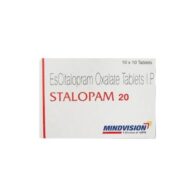
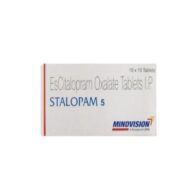
Stalopam 10 mg
$180.00 – $398.00
In Stock
Available Options
| pack size | Price | Quantity | |
|---|---|---|---|
| 100 Tablets | $260.00 | ||
| 200 Tablets | $340.00 | ||
| 300 Tablets | $398.00 | ||
| 50 Tablets | $180.00 |
Quick Overview
| Brand Name: | Stalopam 10 |
| Generic Name: | Escitalopram 10 |
| Active Ingredient: | Escitalopram Oxalate |
| Manufacturer: | Lupin Limited |
| Drug Class: | Selective Serotonin Reuptake Inhibitors (SSRIs) |
| Strength: | 10 mg |
| SKU: | STPM10 |
| Packaging: | 10 Tablets in 1 Strip |
| Treatment: | Anxiety Disorder and Obsessive-Compulsive Disorder |
| Time Duration: | Time to work 30 to 60 minutes |
| Price: | $90.00 – $199.00 |
Product Description
What is Stalopam 10 mg
Stalopam 10 mg (Escitalopram Oxalate), an antidepressant pill from the selective serotonin reuptake inhibitor (SSRI) class, is a commonly prescribed medication to treat a range of mental health conditions like severe depression, premenstrual dysphoric disorder, and obsessive-compulsive disorder. It can help improve mood and well-being, relieve anxiety and tension, improve sleep quality, and increase energy levels.
How Stalopam 10 mg Work
Stalopam 10 mg (Escitalopram) may act more rapidly compared to other antidepressants due to its unique pharmacological profile. Unlike many other SSRIs, Escitalopram specifically targets the serotonin transporter (SERT) with minimal effects on other neurotransmitters such as norepinephrine and dopamine. This selectivity allows it to more efficiently increase brain levels of serotonin, which plays an important role in regulating mood and anxiety.
Escitalopram tablet uses:

Post-traumatic stress disorder (PTSD):
PTSD symptoms in women: Women may experience heightened emotional reactivity, more frequent flashbacks, and severe anxiety.
Treatment options for PTSD: Common treatments include cognitive behavioral therapy (CBT), eye movement desensitization and processing (EMDR), medications such as antidepressants, and support groups.
PTSD and anxiety: PTSD can lead to acute stress disorder (immediate reactions after trauma) or complex post-traumatic stress disorder (CPTSD) (resulting from longer-term trauma), both of which involve severe anxiety.
PTSD and depression: People with PTSD often suffer from depression due to feelings of helplessness, guilt, and ongoing mental distress.
Bulimia Nervosa:
Binge eating and depression:
- Depression can change eating habits and lead to emotional eating.
- Changes in eating habits and thoughts due to depression can alter the way people think about food and their bodies.
- Both depression and eating disorders involve emotional eating, affecting appetite, eating habits, and emotional processing.
- Depression and eating disorders affect everyone differently, with a common symptom of depression being its impact on appetite, leading to either loss of appetite or increased hunger.
- Emotional eating is eating in response to distressing emotions like stress, anger, or sadness, often confusing them with hunger.
- Escitalopram may be prescribed off-label for PTSD or eating disorders under specialist supervision, though psychotherapy remains first-line treatment.
Binge eating and anxiety:
- Anxiety can trigger bulimic behaviors as a way to cope with emotional distress.
- Bulimia can contribute to the development of anxiety disorders.
- Certain personality traits, such as neuroticism, can increase the risk of developing both bulimia and anxiety.
- Genetic factors may also play a role in the development of both conditions.
Panic Disorder:
Panic Disorder and Anxiety:
Panic disorder is characterized by recurrent, unexpected panic attacks—sudden episodes of intense fear that peak within minutes and are often accompanied by physical symptoms such as a racing heart, sweating, trembling, shortness of breath, or dizziness. In contrast, anxiety is typically a more persistent and ongoing feeling of worry or tension that may not occur in sudden episodes. People with panic disorder often develop anticipatory anxiety, fearing future attacks.
Panic Disorder and Depression:
Panic disorder primarily involves intense fear and anxiety, while depression is marked by persistent sadness, hopelessness, and loss of interest in daily activities. Panic disorder may be triggered by specific situations or occur unexpectedly, whereas depression can arise from a combination of life events, genetic factors, and brain chemistry changes. Panic disorder is commonly associated with physical symptoms, while depression more often affects sleep, appetite, energy levels, and motivation.
Social anxiety disorder:
Social Anxiety and Panic Attacks:
Social Anxiety:
- Social anxiety is characterized by a fear of doing or saying something embarrassing in social situations.
- Socially anxious people fear being judged, evaluated, or rejected by others.
- They tend to avoid social situations or events that may trigger anxiety.
- Social anxiety is often accompanied by emotional symptoms such as feelings of inadequacy, self-consciousness, and embarrassment.
Panic Attacks:
- A sudden onset of intense fear or discomfort characterizes panic attacks.
- Panic attacks are accompanied by physical symptoms such as a racing heartbeat, sweating, trembling, and shortness of breath.
- Panic attacks can occur without a clear trigger or warning signs.
- Panic attacks are often accompanied by an intense fear of dying, losing control, or going crazy.
Social Anxiety and Depression:
Chronic fear of social situations can lead to isolation and depression in people with social anxiety disorder. When people avoid social interactions for fear of embarrassment, rejection, or judgment, they can become increasingly isolated and cut off from others. This can lead to feelings of loneliness, sadness, and hopelessness, which are common symptoms of depression.
Depression can also worsen social anxiety, making it even more difficult for sufferers to participate in social activities. This can create a vicious cycle in which social anxiety leads to depression, and depression further exacerbates social anxiety.
Treatment for Social Anxiety Disorder:
Treatment may include cognitive behavioral therapy, exposure therapy, SSRIs, and behavioral techniques to manage and reduce anxiety in social situations.
Psychotherapy:
- Cognitive Behavioral Therapy (CBT)
- Acceptance and Commitment Therapy (ACT)
Medications:
- Selective Serotonin Reuptake Inhibitors (SSRIs)
- Serotonin and Norepinephrine Reuptake Inhibitors (SNRIs)
Lifestyle Changes:
- Regular Exercise
- Healthy Eating
- Sufficient Sleep
Strength and Substitutes
Escitalopram 10 mg side effects:
Most side effects of escitalopram 10 mg tablets are manageable and temporary.
- To reduce nausea, take your medication with food.
- If you’re feeling drowsy, consider taking it in the evening.
- If insomnia occurs, switching to a morning dose may help.
- Try chewing sugar-free gum or drinking more water throughout the day for dry mouth.
- Always speak with your healthcare provider if any side effects become too bothersome.
Oral Dosage Forms (solution or tablets) for Depression:
Adults and adolescents (12 years and older):
The usual starting dose of escitalopram is 10 mg once daily, taken in the morning or evening, with or without food. Depending on individual response and tolerability, the dose may be adjusted by the doctor. The maximum recommended daily dose is 20 mg.
Elderly patients:
In older adults, escitalopram is generally started at 10 mg once daily. Dose adjustments should be made cautiously, and the daily dose usually should not exceed 10–20 mg, as advised by the prescribing physician.
Many patients respond well to 10 mg per day, while others may require dose adjustment based on clinical response and tolerability. Always take escitalopram exactly as prescribed and do not stop or change the dose suddenly without consulting your doctor, as this may cause withdrawal symptoms.
Long-Term Use of Stalopam 10mg
Escitalopram 10mg Tablet From Pills4cure.com is effective for long-term management of depression and anxiety. Some people take it for years to maintain their mental health, but it’s important to have regular check-ins with your doctor to evaluate the need for ongoing treatment.
Long-term use doesn’t typically lead to dependence, but stopping the medication suddenly can cause withdrawal symptoms like dizziness, irritability, and flu-like symptoms. It is recommended to reduce the dose under the supervision of a doctor to avoid withdrawal symptoms.
Why stalopam 10mg is the quicker onset of action?
Stalopam 10 mg contains Escitalopram, a highly selective SSRI that efficiently blocks serotonin reuptake with minimal effect on other neurotransmitters. As the active S-enantiomer of citalopram, escitalopram works effectively at lower doses, which may improve tolerability and treatment response. Some patients may notice early symptom improvement within 1–2 weeks, while full benefits typically appear in 4–6 weeks. However, response time varies among individuals.
Safe Online Purchase of Stalopam 10 mg from Pills4cure.com
When buying Escitalopram 10 Stalopam, you should use Pills4cure.com, a certified pharmacy with a valid prescription. This ensures the quality and safe use of the medicine. Be sure to check the product details, shipping information, and customer reviews to avoid counterfeit medicines. If you have any questions or concerns about the use of Escitalopram 10 mg, send us an inquiry.
Are you ready to take control of your mental health?
Talk to your doctor about Stalopam 10 mg and learn how it can help treat conditions like depression and anxiety. Remember: The right steps for your mental health start today!
Additional information
| pack size | 50 Tablets, 100 Tablets, 200 Tablets, 300 Tablets |
|---|
Frequently Asked Questions
Ans: Stalopam 10 mg has a linear dose-response relationship, meaning lower doses can be effective. This means that patients may experience fewer side effects and see relief from symptoms of depression and anxiety more quickly.
Ans: Weight gain is a possible side effect, but only some experience it. A healthy diet and exercise can help prevent this.
Ans: Stalopam 10 mg is used to treat and prevent conditions and symptoms such as phobias and post-traumatic stress disorder.
Ans: Stalopam tablets should be stored at room temperature, away from heat and direct light. Keep out of reach of children and animals.
Ans: Escitalopram works by increasing serotonin levels in the brain, which helps delay ejaculation.
Ans: Common side effects of escitalopram include headache, nausea, drowsiness, and decreased libido. Rare but serious side effects may include low blood sodium levels, serotonin syndrome, and increased risk of bleeding.
Ans: While Escitalopram does not directly cause acne, it can indirectly affect your skin through changes in your body's hormone balance, increased sweating, stress levels, and possible allergic reactions.
Ans: You may not notice a significant improvement in your symptoms until 1-2 weeks after Escitalopram starts to work. It usually takes 4-6 weeks to feel the full effects.
Ans: Escitalopram is considered safe for off-label use, but side effects and interactions should be considered.












Reviews
There are no reviews yet.