
Sorry, nothing in cart.
Ciprofloxacin
-
Brand Name: Alcipro 750 mg Generic Name: Ciprofloxacin 750 Active Ingredient: Ciprofloxacin Manufacturer: Alkem Laboratories Ltd Drug Class: Antibiotics Strength: 750 mg SKU: ACRO750 Packaging: 10 tablets in 1 Strip Treatment: Infections Time Duration: Depends on the type of infection Price: $18.73 – $50.65 $18.73 – $50.65 -
Brand Name: Ciprodac 750 mg Generic Name: Ciprofloxacin 750 Active Ingredient: Ciprofloxacin Manufacturer: Cadila Pharmaceuticals Ltd Drug Class: Antibiotics Strength: 750 mg SKU: CIPODC750 Packaging: 10 tablets in 1 Strip Treatment: Infections Time Duration: Depends on the type of infection Price: $84.00 – $189.00 $84.00 – $189.00 -
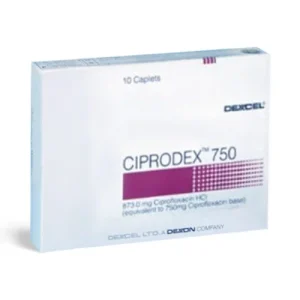
Brand Name: Ciprodex 750 mg Generic Name: Ciprofloxacin 750 Active Ingredient: Ciprofloxacin Manufacturer: Dexon Drug Class: Antibiotics Strength: 750 mg SKU: CPODX750 Packaging: 10 tablets in 1 Strip Treatment: Bacterial infections Time Duration: Depends on the type of infection Price: $20.39 – $52.92 $20.39 – $52.92 -
Brand Name: Cipromed 750 mg Generic Name: Ciprofloxacin 750 Active Ingredient: Ciprofloxacin Manufacturer: Alde Medi Impex Ltd Drug Class: Antibiotics Strength: 750 mg SKU: CPROMD750 Packaging: 10 tablets in 1 Strip Treatment: Infections Time Duration: Depends on the type of infection Price: $15.00 – $35.91 $15.00 – $35.91



Ciprofloxacin is a widely prescribed antibiotic known for its effectiveness in treating a broad range of bacterial infections. It belongs to a class of antibiotics called fluoroquinolones, which are powerful antimicrobial agents used to stop the growth and spread of harmful bacteria in the body. This article offers an in-depth overview of Ciprofloxacin, including its uses, dosage guidelines, side effects, precautions, and other important details.
What is Ciprofloxacin?
Ciprofloxacin, commonly marketed under the brand name Cipro, is a broad-spectrum antibiotic used to treat bacterial infections in various parts of the body. It works by inhibiting bacterial DNA gyrase and topoisomerase IV, enzymes essential for bacterial DNA replication, transcription, and repair. By doing so, Ciprofloxacin stops the bacteria from multiplying and eventually kills them.
Drug Class
-
Class: Fluoroquinolone Antibiotic
-
Schedule: Prescription-only
Uses of Ciprofloxacin
Ciprofloxacin is effective against a wide array of Gram-positive and Gram-negative bacteria. It is commonly prescribed to treat:
1. Urinary Tract Infections (UTIs)
Ciprofloxacin is highly effective against Escherichia coli, the most common pathogen responsible for UTIs. It is used in both uncomplicated and complicated urinary infections.
2. Respiratory Tract Infections
It is used to treat bronchitis, pneumonia, and other lower respiratory tract infections, especially in cases resistant to other antibiotics.
3. Gastrointestinal Infections
Ciprofloxacin is often used for infections caused by Salmonella, Shigella, Campylobacter, and E. coli, making it a go-to antibiotic for traveler’s diarrhea and foodborne illnesses.
4. Bone and Joint Infections
Due to its ability to penetrate bone tissue, Ciprofloxacin is used in treating osteomyelitis and joint infections.
5. Skin and Soft Tissue Infections
It is effective for treating bacterial cellulitis and wound infections.
6. Sexually Transmitted Infections (STIs)
While not a first-line treatment today, Ciprofloxacin was previously used for gonorrhea, although resistance has limited its use in this area.
7. Anthrax Exposure
Ciprofloxacin is approved for use in post-exposure prophylaxis and treatment of inhalational anthrax caused by Bacillus anthracis.
How to Take Ciprofloxacin
-
Take Ciprofloxacin with or without food, but avoid taking it with dairy products or calcium-fortified juices.
-
Drink plenty of fluids to stay hydrated.
-
Avoid taking antacids, multivitamins, or iron/zinc supplements within 2 hours before or after taking the medicine, as they reduce its effectiveness.
Side Effects of Ciprofloxacin
While Ciprofloxacin is generally well-tolerated, it may cause side effects in some individuals. These can be classified as common, less common, and serious.
Common Side Effects
-
Nausea
-
Diarrhea
-
Dizziness
-
Headache
-
Stomach pain
Less Common Side Effects
-
Rash or itching
-
Restlessness or insomnia
-
Photosensitivity (sensitivity to sunlight)
Serious Side Effects (Seek immediate medical help)
-
Tendonitis or tendon rupture (especially in older adults)
-
Nerve damage (peripheral neuropathy)
-
Seizures
-
Irregular heartbeat (QT prolongation)
-
Severe allergic reactions (anaphylaxis)
-
Clostridium difficile-associated diarrhea
Drug Interactions of Ciprofloxacin
Ciprofloxacin can interact with several medications:
-
Antacids, calcium, iron, magnesium, zinc – Reduce ciprofloxacin absorption. Take ciprofloxacin 2 hours before or 6 hours after.
-
Theophylline – Increases risk of toxicity; monitor levels.
-
Warfarin – May enhance bleeding; monitor INR closely.
-
NSAIDs – May raise seizure risk, especially in sensitive individuals.
-
Antiarrhythmic drugs – Increases risk of QT prolongation and serious heart rhythm issues.
Always inform your doctor about all medications and supplements before using ciprofloxacin.
Precautions
Before taking Ciprofloxacin, inform your doctor if you have:
-
A history of tendon disorders
-
Kidney or liver disease
-
Epilepsy or other seizure disorders
-
Heart problems (e.g., arrhythmias, prolonged QT)
-
Myasthenia gravis
Use in Pregnancy and Breastfeeding
-
Pregnancy: Category C – Use only if the potential benefit justifies the potential risk.
-
Breastfeeding: It passes into breast milk. Use with caution under medical supervision.
Ciprofloxacin Resistance
Antibiotic resistance is a growing concern with Ciprofloxacin. Overuse or misuse (e.g., using it for viral infections like the cold or flu) contributes to bacterial resistance. It is crucial to take the medication only when prescribed and to complete the full course.
Storage and Shelf Life
-
Store tablets at room temperature (15°C to 30°C)
-
Keep away from moisture and heat
-
Do not use expired medication
Frequently Asked Questions (FAQs)
Q1 Can I drink alcohol while taking Ciprofloxacin?
Ans: Alcohol does not directly interact with Ciprofloxacin, but it may increase the risk of side effects like dizziness and nausea.
Q2 Is Ciprofloxacin effective against COVID-19?
Ans: No. Ciprofloxacin is an antibacterial and has no proven benefit against viral infections like COVID-19.
Q3 How long does it take for Ciprofloxacin to work?
Ans: You may start feeling better within 1–3 days, but it’s essential to complete the entire course, even if symptoms improve.
Q4 Can I stop taking Ciprofloxacin if I feel better?
Ans: No. Stopping the antibiotic early can lead to incomplete treatment and bacterial resistance.