
Sorry, nothing in cart.
Baclofen
-
Brand Name: Baclof 10 Generic Name: Baclofen 10 mg Active Ingredient: Baclofen Manufacturer: Intas Pharmaceuticals Ltd Drug Class: Skeletal Muscle Relaxant Strength: 10 mg SKU: BACLF10 Packaging: 10 Tablet in 1 Strip Treatment: Treat muscle Spasm (muscle stiffness and tightness) Price: $80 to $675 Countries Availability: USA, UK, Canada, Australia, China, Japan, South Africa $80.00 – $675.00 -
Brand Name: Lioresal Generic Name: Baclofen 10mg muscle relaxer Active Ingredient: Baclofen Manufacturer: – Drug Class: Skeletal Muscle Relaxant Strength: 10 mg SKU: BCLOFN10 Packaging: 10 Tablet in 1 Strip Treatment: Treat Muscle Spasms (muscle stiffness and tightness) Price: $80 to $675 Countries Availability: USA, UK, Canada, Australia, China, Japan, South Africa $80.00 – $675.00 -
Brand Name: Lioresal 10 Generic Name: Baclofen 10 mg Active Ingredient: Baclofen Manufacturer: Novartis India Ltd Drug Class: Skeletal Muscle Relaxant Strength: 10 mg SKU: LORSL10 Packaging: 10 Tablet in 1 Strip Treatment: Treat muscle pain, spasms, and Spasticity and multiple sclerosis or spinal cord injury or disease. Price: $96 to $1299 Countries Availability: USA, UK, Canada, Australia, China, Japan, South Africa $96.00 – $1,299.00 -
Brand Name: Lioresal 25 Generic Name: Baclofen 25 mg Active Ingredient: Baclofen Manufacturer: Novartis India Ltd Drug Class: Skeletal Muscle Relaxant Strength: 25 mg SKU: LORSL25 Packaging: 10 Tablet in 1 Strip Treatment: Treat muscle spasms caused by certain conditions (such as multiple sclerosis, and spinal cord injury or disease). Price: $120 to $699 Countries Availability: USA, UK, Canada, Australia, China, Japan, South Africa $120.00 – $699.00


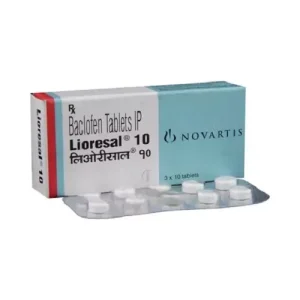

Baclofen: Uses, Dosage, and Side Effects
Baclofen is a prescription medication fully approved by the U.S. Food and Drug Administration (FDA) and is commonly used for muscle relaxation. It helps manage symptoms such as muscle spasms, stiffness, and pain caused by conditions like multiple sclerosis, spinal cord injuries, and cerebral palsy.
What is Baclofen?
Baclofen belongs to a class of drugs known as muscle relaxants and antispastic drug. It works by acting on the central nervous system to reduce the transmission of nerve signals from the spinal cord, which helps alleviate muscle spasms and stiffness. Baclofen is often prescribed for conditions like:
- Multiple sclerosis
- Spinal cord injuries
- Cerebral palsy
- Muscle spasticity related to neurological conditions
It may also be prescribed off-label for certain conditions like chronic pain or as part of alcohol withdrawal treatment.
How Does Baclofen Work?
Baclofen works by inhibiting the transmission of reflexes in the spinal cord, reducing muscle stiffness and spasms. This leads to an improvement in mobility and allows patients to perform daily activities more easily. Unlike some other muscle relaxants, Baclofen does not directly affect muscles but rather targets the nerves that control muscle movements.
Baclofen Dosage and Administration
Baclofen comes in various forms, including tablets and liquid, with dosage varying depending on the condition being treated, patient age, and response to the medication. The usual starting dosage for adults typically ranges from 5 mg to 10 mg and 25mg three times daily, which may be gradually increased based on medical recommendations. For children, Baclofen is usually prescribed in smaller doses, and adjustments are made according to the child’s weight and specific condition. Important Dosage Considerations:
- Never adjust your Baclofen dosage without consulting a healthcare provider.
- Baclofen is typically taken with food to reduce stomach upset.
- Follow the prescribed schedule closely, as skipping doses may reduce its effectiveness.
Baclofen Side Effects
Like any medication, Baclofen can cause side effects. While many patients tolerate Baclofen well, some individuals may experience adverse effects. The most common side effects of Baclofen include:
- Drowsiness
- Dizziness
- Weakness
- Fatigue
- Headaches
- Nausea
In rare cases, Baclofen may lead to more severe side effects, such as:
- Confusion or hallucinations
- Seizures
- Breathing difficulties
- Low blood pressure
- Mood changes
If any of these severe side effects occur, it’s crucial to seek immediate medical attention.
Medicine conain Baclofen
Precautions and Warnings
Before starting Baclofen, discuss your medical history with your healthcare provider, especially if you have any of the following conditions:
- Kidney disease
- Epilepsy or other seizure disorders
- Mental health conditions
- Breathing problems
It’s important to note that Baclofen should not be stopped abruptly, as this can cause withdrawal symptoms like increased muscle spasms, hallucinations, or even seizures. If you need to stop Baclofen, your doctor will likely taper the dosage gradually to minimize the risk of withdrawal.
Interactions with Other Medications
Baclofen can interact with other medications, leading to heightened side effects or reduced effectiveness. Inform your doctor if you’re taking:
- Sedatives or sleeping pills
- Opioid pain medications
- Antidepressants
- Blood pressure medications
Alcohol should be avoided or used with caution when taking Baclofen, as it can increase the risk of side effects like drowsiness and dizziness.
Related Muscle Relaxants
Baclofen and Special Populations
- Pregnancy and Breastfeeding: Baclofen should be used during pregnancy only if the potential benefits outweigh the risks. It is also secreted in breast milk, so breastfeeding mothers should consult with their doctor before using Baclofen.
- Elderly Patients: Older adults may be more sensitive to Baclofen’s effects, especially its sedative effects. Dosage adjustments may be required.
- Children: Baclofen is used cautiously in children, with doses tailored to their specific needs based on weight and condition.
Baclofen for Alcohol Withdrawal
In addition to treating muscle spasms, Baclofen has been studied for its potential use in managing alcohol withdrawal. It may help reduce cravings and withdrawal symptoms, although more research is needed to confirm its efficacy in this area.
Overdose Risks
Taking too much Baclofen can lead to overdose, which is a medical emergency. Symptoms of a Baclofen overdose include:
- Extreme drowsiness
- Shallow breathing
- Weak or absent reflexes
- Loss of consciousness
If you suspect a Baclofen overdose, seek emergency medical attention immediately.
Conclusion
Baclofen is an effective treatment for reducing muscle stiffness and spasms associated with various medical conditions. While it can offer significant relief, it’s important to use Baclofen under strict medical supervision due to the potential for side effects and interactions. Always follow your doctor’s dosage instructions, and never stop the medication abruptly. If you’re dealing with muscle spasticity or a related condition, talk to your healthcare provider to determine if Baclofen is the right treatment for you.