
Sorry, nothing in cart.
Welcome to Pills4cure

Understanding Narcolepsy: Symptoms, Causes, and Treatment Options
- By admin
- |
- General Blog
- |
Narcolepsy is a rare, chronic neurological disorder that affects the brain’s ability to properly regulate sleep–wake cycles. People living with narcolepsy experience excessive daytime sleepiness (EDS), sudden and uncontrollable sleep attacks, and disturbed nighttime sleep. These symptoms can occur even after adequate rest and may significantly interfere with daily activities such as work, education, driving, and social interactions. Without proper treatment and lifestyle management, narcolepsy can reduce productivity and overall quality of life.
What is Narcolepsy?
Narcolepsy is a chronic sleep disorder that makes people feel extremely sleepy during the day. It is characterized by excessive daytime sleepiness (EDS) and an overwhelming, uncontrollable urge to fall asleep suddenly, even in inappropriate situations such as working, studying, or driving. When narcolepsy causes a sudden loss of muscle tone, often triggered by strong emotions, it is known as cataplexy.
Narcolepsy affects approximately 1 in every 2,000 people worldwide and can develop at any age. However, symptoms most commonly begin during adolescence or early adulthood. Without proper diagnosis and treatment, narcolepsy can significantly impact daily functioning, personal safety, and overall quality of life.
Symptoms of Narcolepsy
The primary symptoms of narcolepsy include:
- Excessive Daytime Sleepiness (EDS): Individuals with narcolepsy often feel an overwhelming need to sleep during the day, regardless of how much sleep they got the night before.
- Cataplexy: This is a sudden loss of muscle tone triggered by strong emotions such as laughter, anger, or surprise. Cataplexy can range from mild weakness to complete collapse.
- Sleep Paralysis: This is a temporary inability to move or speak while falling asleep or waking up. It can be a frightening experience but is not dangerous.
- Hypnagogic Hallucinations: These are vivid, dream-like experiences that occur while falling asleep or waking up. They can be visual, auditory, or tactile.
- Fragmented Nighttime Sleep: People with narcolepsy often have difficulty staying asleep at night, leading to frequent awakenings.
What organ does narcolepsy affect?
Narcolepsy primarily affects the brain, specifically the areas that control sleep–wake cycles. The disorder is linked to dysfunction in the hypothalamus, a small but important part of the brain that regulates sleep, alertness, and emotions.
In many people with narcolepsy, especially narcolepsy with cataplexy (Type 1), there is a deficiency of a brain chemical called hypocretin (also known as orexin). Hypocretin helps maintain wakefulness and prevent sudden transitions into sleep. When these hypocretin-producing neurons are damaged or lost, the brain cannot properly regulate sleep and wake states, leading to excessive daytime sleepiness and sudden sleep attacks.
Generic Version of Modafinil
-
Brand Name: Modafresh 200 mg Generic Name: Modafinil 200mg Active Ingredient: Modafinil Manufacturer: Sunrise Remedies Pvt.Ltd Drug Class: Wakefulness promoting agents Treatment: Shift work disorder Strength: 200 mg SKU: MDFRSH200 Packaging: 10 Tablets in 1 Strip Price: $70 – $310 Availability: Online @Pills4cure.com Delivered Countries: USA, UK, Canada, Australia, China, Japan, South Africa $70.00 – $310.00 -
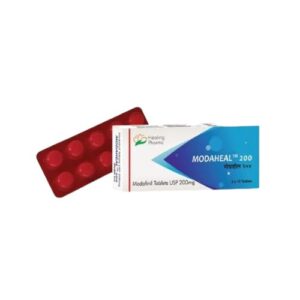
Brand Name: Modaheal 200 mg Generic Name: Modafinil 200mg Active Ingredient: Modafinil Drug Class: Wakefulness promoting agents Strength: Sleep Disorders SKU: 200 mg Packaging: MDHL200 Treatment: 10 Tablets in 1 Strip Price: $70 – $299 Availability: Online @Pills4cure.com Delivered Countries: UK, Canada, Australia, China Modaheal 200 mg contains modafinil as its key ingredient and is intended for the treatment of sleep disorders, such as narcolepsy and sleep apnoea. Modafinil is widely recognised for its ability to promote wakefulness and enhance cognitive function. Its products are used by millions of people every day. Therefore, regarding trust and loyalty, all points go to Healing Pharma India Pvt Ltd.
$70.00 – $299.00 -
Brand Name: Modalert 100 Generic Name: Smart Pill, Sleeping Pill Active Ingredient: Modafinil Manufacturer: Sun Pharmaceutical Ind Ltd. Drug Class: Wakefulness Promoting Agents Strength: 100 mg SKU: MDLT100 Packaging: 10 Tablet in 1 Strip Treatment: Excessive daytime sleepiness (EDS) and Other Sleep disorders Time Duration: Time to work 20 to 60 minutes Price: $100 to $379 $100.00 – $379.00 -
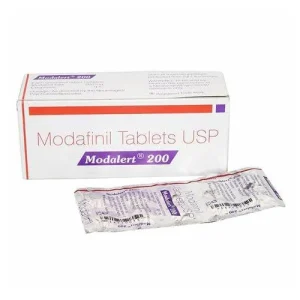
Product Name: Modalert 200 Generic Name: Provigil, Smart Pill Active Ingredient: Modafinil Manufacturer: Sun Pharmaceutical Ind Ltd. Drug Class: Wakefulness-promoting Agents Strength: 200 mg SKU: MDLT200 Packaging: 10 tablets in 1 Strip Treatment: Narcolepsy Price: $240 to $822 Availability: Online @Pills4cure.com $240.00 – $822.00


What things trigger narcolepsy?
Narcolepsy symptoms can be triggered or worsened by several factors, including strong emotions such as laughter, excitement, or stress, which may cause cataplexy. Sleep deprivation, irregular sleep schedules, mental fatigue, prolonged inactivity, alcohol use, heavy meals, and certain medications that cause drowsiness can also increase daytime sleepiness and sudden sleep attacks. Managing these triggers with proper sleep habits and treatment can help control symptoms.
Causes of Narcolepsy
The exact cause of narcolepsy is not fully understood, but it is believed to involve a combination of genetic and environmental factors. Key factors include:
- Hypocretin Deficiency: Most people with narcolepsy have low levels of hypocretin (also known as orexin), a neurotransmitter that regulates wakefulness and REM sleep. This deficiency is thought to be due to an autoimmune response that destroys hypocretin-producing cells in the brain.
- Genetic Predisposition: Certain genetic markers, such as the HLA-DQB1*06:02 allele, are associated with an increased risk of developing narcolepsy.
- Environmental Triggers: Infections, hormonal changes, and stress may trigger the onset of narcolepsy in genetically predisposed individuals.
Diagnosis of Narcolepsy
Diagnosing narcolepsy involves a combination of clinical evaluation and specialized tests:
- Polysomnography (PSG): This overnight sleep study measures brain activity, eye movements, heart rate, and muscle activity to rule out other sleep disorders.
- Multiple Sleep Latency Test (MSLT): This daytime nap study measures how quickly a person falls asleep in a quiet environment and assesses the presence of REM sleep during naps.
- Hypocretin Level Test: A cerebrospinal fluid (CSF) test can measure hypocretin levels, with low levels being indicative of narcolepsy type 1.
Treatment Options for Narcolepsy
While there is no cure for narcolepsy, various treatments can help manage symptoms and improve quality of life:
Medications
Stimulants: Drugs like modafinil and armodafinil are commonly prescribed to help reduce daytime sleepiness.
Antidepressants: Selective serotonin reuptake inhibitors (SSRIs) and serotonin-norepinephrine reuptake inhibitors (SNRIs) can help manage cataplexy, sleep paralysis, and hypnagogic hallucinations.
Sodium Oxybate: This medication is effective in treating both excessive daytime sleepiness and cataplexy.
Lifestyle Modifications
Scheduled Naps: Taking short, scheduled naps during the day can help reduce daytime sleepiness.
Sleep Hygiene: Maintaining a regular sleep schedule, creating a comfortable sleep environment, and avoiding caffeine and alcohol before bed can improve nighttime sleep quality.
Diet and Exercise: A balanced diet and regular exercise can help manage symptoms and improve overall health.
Behavioral Therapy
Cognitive Behavioral Therapy (CBT): CBT can help individuals develop coping strategies for managing the emotional and psychological impact of narcolepsy.
Conclusion
Narcolepsy is a complex and often misunderstood sleep disorder that can significantly impact an individual’s quality of life. By understanding the symptoms, causes, and treatment options, those affected by this disorder can take proactive steps to manage their condition and lead fulfilling lives. If you or someone you know is experiencing symptoms of narcolepsy, it is important to seek medical advice for a proper diagnosis and treatment plan.
Source: Narcolepsy Network (Educational resources on narcolepsy symptoms, causes, and treatment)