
Sorry, nothing in cart.
Welcome to Pills4cure
Nuvigil vs Provigil: Which Is Better? Differences, Side Effects & Dosage
- By admin
- |
- General Blog
- |
When it comes to managing sleep disorders such as narcolepsy, obstructive sleep apnea (OSA), and shift work sleep disorder (SWSD), Nuvigil and Provigil are two commonly prescribed medications. Both drugs promote wakefulness, but the key difference is that Nuvigil generally lasts longer, whereas Provigil may act slightly faster depending on individual response.
Beyond their medical use, these medications are also discussed as nootropics, often referred to as “smart drugs” that may enhance focus, concentration, and cognitive performance. Although Nuvigil (armodafinil) and Provigil (modafinil) were developed to treat sleep disorders, their potential to improve mental clarity has made them popular among professionals and individuals seeking increased alertness.
What is Nuvigil?
Nuvigil, the brand name for armodafinil, is an oral prescription medication used to promote wakefulness in individuals with sleep disorders such as narcolepsy, obstructive sleep apnea (OSA), and shift work sleep disorder (SWSD). It is classified as a Schedule IV controlled substance, meaning it has a lower potential for abuse compared to stronger stimulants.
What is Provigil?
Provigil (modafinil) is also a Schedule IV controlled substance and is approved for the same sleep disorders as Nuvigil, including narcolepsy, obstructive sleep apnea (OSA), and shift work sleep disorder (SWSD).It is commonly available in 100 mg and 200 mg tablet strengths.
Difference between Provigil and Nuvigil
While both Provigil and Nuvigil are used to treat the same sleep disorders, they differ in composition, duration, and overall effectiveness.
| Feature | Nuvigil (Armodafinil) | Provigil (Modafinil) |
|---|---|---|
| Chemical Composition | Contains armodafinil (R-enantiomer only) | Contains modafinil (R + S enantiomers) |
| Duration of Action | Longer-lasting (~14–15 hours) | Shorter duration (~10–12 hours) |
| Onset Time | Slightly slower start | Works slightly faster |
| Dosage Strength | 150 mg, 250 mg | 100 mg, 200 mg |
| Effectiveness | Better for long-lasting alertness | Better for flexible use |
| Cost | Usually more expensive | Generally more affordable |
| Conditions Treated | Narcolepsy, OSA, SWSD | Narcolepsy, OSA, SWSD |
In simple terms, Nuvigil lasts longer, while Provigil may work faster and is often more affordable.
Which is Better: Nuvigil or Provigil?
There is no single “better” option between Nuvigil and Provigil, as both medications are commonly used to improve wakefulness in adults with conditions like narcolepsy, obstructive sleep apnea (OSA), and shift work sleep disorder (SWSD). The most suitable choice depends on personal factors such as your daily routine, how long you need the effects to last, and how your body responds to each medication.
Effectiveness for Specific Conditions
Both Nuvigil vs Provigil are highly effective for treating narcolepsy, OSA, and SWSD. However, their effectiveness can vary depending on the individual and condition:
- Narcolepsy Treatment: Provigil for narcolepsy is a well-established treatment, helping patients stay awake during the day. Nuvigil is equally effective, with some studies suggesting it may provide longer-lasting wakefulness due to its extended half-life.
- Obstructive Sleep Apnea: Both medications are used alongside CPAP therapy to manage residual sleepiness. Nuvigil’s longer duration may benefit those needing extended alertness.
- Shift Work Sleep Disorder: Both drugs help night-shift workers stay alert, but Nuvigil’s sustained effect may be preferred for longer shifts..
Medicine similer to Nuvigil and Provigil
-
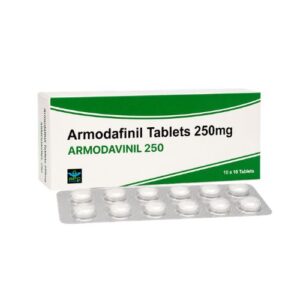
Brand Name: Armodavinil Generic Name: Armodafinil 250 Active Ingredient: Armodafinil Manufacturer: – Drug Class: Wakefulness Promoting agents Strength: 250 mg Form: Tablet Packaging: 10 Tablets in 1 Strip Treatment: Extreme Sleepiness Caused by narcolepsy Time Duration: Time to work 30 to 60 minutes $99.00 – $295.00 -
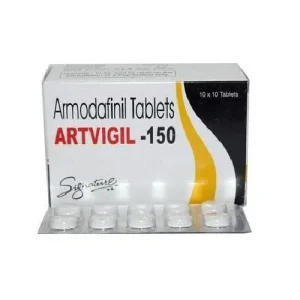
Brand Name: Artvigil 150 Generic Name: Nuvigil 150 Active Ingredient: Armodafinil Manufacturer: HAB Pharma Drug Class: Wakefulness Promoting agents Strength: 150 mg Form: Tablet Packaging: 10 Tablets in 1 Strip Treatment: Sleep Disorder Time Duration: Time to work 30 to 60 minutes Price: $80 to $350 $160.00 – $700.00 -
Brand Name: Artvigil Generic Name: Nuvigil 250 Active Ingredient: Armodafinil Manufacturer: Signature Pharma Drug Class: Wakefulness Promoting agents Strength: 250 mg Form: Tablet Packaging: 10 Tablets in 1 Strip Treatment: Extreme Sleepiness Caused by narcolepsy Time Duration: Time to work 30 to 60 minutes $125.00 – $429.00 -
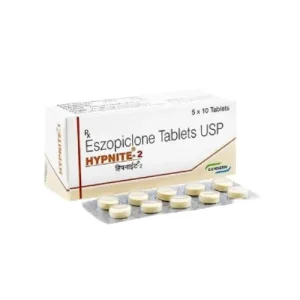
Brand Name: Hypnite 2 mg Generic Name: Eszopiclone 2mg Active Ingredient: Eszopiclone Manufacturer: Consern Pharma P Ltd Drug Class: Hypnotics Treatment: Insomnia Strength: 2 mg SKU: HPNT2 Packaging: 10 Tablets in 1 Strip Price: $100 – $500 Availability: Online @Pills4cure.com Delivered Countries: USA, UK, Canada, Australia, China, Japan, South Africa $200.00 – $1,000.00

Nuvigil vs. Provigil for ADHD: Which Works Better Off-Label?
While neither Nuvigil nor Provigil is FDA-approved for ADHD, both are sometimes used off-label to improve focus and reduce fatigue in ADHD patients. Studies suggest:
- Nuvigil: Its longer half-life may provide more consistent focus throughout the day, potentially benefiting those with ADHD who need sustained attention.
- Provigil: Its shorter duration may be better for patients needing a shorter boost in focus without affecting nighttime sleep.
- Which is Better?: There’s no definitive answer, as effectiveness varies by individual. Nuvigil’s longer action may be preferred for all-day symptom management, while Provigil may suit those sensitive to overstimulation. Consult your doctor to weigh the benefits and risks of off-label use.
Eating Might Delay Nuvigil Effects More Than Provigil
Food can impact how quickly these medications take effect:
- Nuvigil: Taking Nuvigil with a large or high-fat meal may delay its absorption, potentially delaying its effects by 1–2 hours. This is because armodafinil’s metabolism is more sensitive to food intake.
- Provigil: Food has a milder effect on Provigil’s absorption, with delays typically less than an hour. This makes Provigil slightly more predictable when taken with meals.
To optimize effectiveness:
Take either medication on an empty stomach or with a light meal for better results. Avoid heavy or high-fat meals, as they can slow down absorption and reduce the medication’s overall effectiveness.
Tips to Enhance Effectiveness
To get the best results, take the medication at the same time each day to maintain consistent blood levels. Avoid consuming large meals or alcohol, as they may interfere with absorption. Additionally, staying well-hydrated and following a healthy sleep schedule can further support and enhance the medication’s effectiveness.
Side Effects & Safety Profile
Both Nuvigil medication and Provigil medicine have similar side effect profiles, but their intensity and frequency may differ:
Common Side Effects:
-
- Nuvigil: Headache, nausea, dizziness, insomnia, and anxiety.
- Provigil: Headache, nervousness, back pain, nausea, and upset stomach.
Serious Side Effects (Rare):
-
- Both drugs may cause severe allergic reactions, skin rashes (including Stevens-Johnson Syndrome), or psychiatric symptoms like depression or hallucinations.
- Seek immediate medical attention if you experience chest pain, irregular heartbeat, or severe mood changes.
Safety Considerations:
-
- Both medications are Schedule IV controlled substances due to their potential for misuse.
- They should not be used by individuals with a history of heart problems or severe hypertension without medical supervision.
Drug Interactions and Precautions
Both Nuvigil vs Provigil can interact with other medications, so inform your doctor about all drugs and supplements you’re taking. Key interactions include:
- CYP3A4 Inhibitors/Inducers: Drugs like ketoconazole or rifampin can affect how Nuvigil and Provigil are metabolized.
- Birth Control: Both medications may reduce the effectiveness of hormonal contraceptives, so alternative birth control methods are recommended.
- Alcohol: Avoid alcohol, as it can increase side effects like dizziness or impair judgment.
Precautions of Nuvigil vs Provigil:
Before starting Nuvigil or Provigil, inform your doctor if you have a history of heart disease, liver problems, or mental health conditions. Pregnant or breastfeeding women should seek medical advice, as the safety of these medications during pregnancy has not been fully established. Additionally, avoid driving or operating heavy machinery until you understand how the medication affects your alertness and concentration.
Basic Coverage vs. Premium Coverage: Cost
When considering Nuvigil vs Provigil, insurance coverage can significantly impact costs:
- Basic Coverage: Often covers generic versions (armodafinil or modafinil) with lower copays. However, it may have stricter limits on refills or require prior authorization due to their Schedule IV status.
- Premium Coverage: May cover both brand-name and generic versions with lower out-of-pocket costs and fewer restrictions. Some plans may also offer mail-order options, reducing long-term costs.
Cost of Nuvigil vs Provigil:
| Medication | Low Price | High Price |
| Nuvigil (armodafinil) | $ 80.00 | $350.00 |
| Provigil (modafinil) | $70.00 | $310.00 |
Which One is Right for You?
Choosing between Nuvigil and Provigil depends on several factors:
- Duration Needs: If you need longer-lasting wakefulness, Nuvigil’s extended half-life may be better.
- Cost: Generic modafinil (Provigil) is often more affordable than generic armodafinil (Nuvigil).
- Response to Medication: Some patients respond better to one drug over the other due to individual body chemistry.
- Medical History: Your doctor will consider your health conditions and current medications to recommend the best option.
Consult your healthcare provider to discuss your symptoms, lifestyle, and medical history to determine whether Nuvigil medication or Provigil medicine is the right fit.
FAQs
Q: Can I switch between Nuvigil and Provigil?
A: Yes, but this should only be done under medical supervision. Your doctor may need to adjust dosing when switching between armodafinil and modafinil.
Q: Are generic versions as effective?
A: The generic version of modafinil (Provigil) has proven to be just as effective as the brand name. Generic armodafinil is also available and considered bioequivalent.
Q: Is Provigil better than Nuvigil for narcolepsy?
A: Both are effective treatments, but Nuvigil might last longer. Your doctor can help you decide the best option.
Q: Which lasts longer, Nuvigil or Provigil?
A: Nuvigil (Armodafinil) typically lasts longer in the body.
Q: Can I take Nuvigil and Provigil together?
A: No, taking both is not recommended as they have similar mechanisms of action, which could increase the risk of side effects.
Q: How to make Nuvigil more Effective
A: To make Nuvigil (Armodafinil) more effective, take it at the right time (morning) and maintain a consistent sleep routine with a healthy lifestyle.