
Sorry, nothing in cart.
Welcome to Pills4cure
Opioid Analgesic Medications: Uses, Types, Benefits & More
- By admin
- |
- General Blog
- |
Pain is a common reason why people go to the doctor. When the pain is very bad, doctors may give strong medicines to help.
Some of these strong pain medicines are called opioid pain relievers. They can come from a plant called the opium poppy or can be made in a lab (synthetic opioids). These medicines help reduce moderate to very severe pain.
Doctors often use these medicines after surgery, for cancer pain, or for long-lasting pain. They can be very helpful when used the right way.
What Are Opioid Analgesic Medications?
Opioid analgesics medication are synthetic and semi-synthetically manufactured substances that mimic the effects of opium also known as opioids, a class of drugs that produce analgesic effect (reduction pain achieved without loss of consciousness) to relieve moderate to severe pain by binding to specific opioid receptors in the brain, spinal cord, and other parts of the body. This binding action blocks pain signals sent from the body through the spinal cord to the brain.
These medications not only reduce the intensity of pain but also affect areas of the brain that control emotion, thereby reducing the distress often associated with pain.
How Do Opioid Analgesic Work?
Opioid analgesic medications work by attaching to opioid receptors located on nerve cells in the brain, spinal cord, gastrointestinal tract, and other parts of the body. When these medications bind to the receptors, they block pain signals traveling from the body through the spinal cord to the brain, thereby reducing the perception of pain. While opioids are highly effective in managing moderate to severe pain, they also carry significant risks, including tolerance, physical dependence, and addiction. The risk of addiction is especially higher when opioids are used for long-term management of chronic pain.
Common Types of Opioid Analgesic
Opioid medications can be classified by their origin or chemical structure:
1. Natural Opioids
Derived directly from the opium poppy plant.
-
Morphine
-
Codeine
2. Semi-Synthetic Opioids
Chemically altered versions of natural opioids.
-
Oxycodone (e.g., OxyContin)
-
Hydrocodone (e.g., Vicodin)
-
Buprenorphine
-
Oxymorphone
3. Fully Synthetic Opioids
Manufactured entirely in labs.
-
Fentanyl
-
Methadone
-
Tramadol
Medical Uses of Opioid Analgesic
Opioids are commonly prescribed for:
1. Acute Pain
After surgeries, injuries, or trauma where pain intensity is high.
2. Chronic Pain
In conditions like:
-
Cancer-related pain
-
Osteoarthritis
-
Neuropathic pain (some opioids like Tapentadol help due to dual mechanisms)
3. Postoperative Pain Management
Short-term use to control pain after procedures.
-
- Active Ingredients: Tapentadol and Carisoprodol
- Formulation: Oral tablet
- Strength: 225 mg
- Indications:
- Relief of moderate to severe pain
- Effective for post-operative pain
- Effective for neuropathic pain
$200.00 – $1,125.00 -
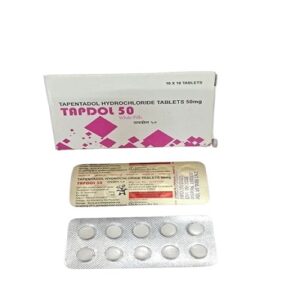
Brand Name: Tapdol 50 mg Active Ingredient: Tapentadol Manufacturer: Centurion Laboratories Pvt. Ltd. Drug Class: Opioid (narcotic) analgesics Strength: 50 mg Packaging: 10 pills in 1 strip Treatment: Pain Reliever Delivered Time: 4 to 5 days in USA, 1 to 2 days in UK $214.20 – $554.40 -
Brand Name: Tapdol 100 mg Active Ingredient: Tapentadol Manufacturer: Centurion Laboratories Pvt. Ltd. Drug Class: Opiate (narcotic) analgesics Strength: 100 mg Packaging: 10 pills in 1 strip Treatment: Moderate to Severe pain $306.00 – $1,178.00 -
Brand Name: Penodol 100 mg Generic Name: Tapentadol 100mg Active Ingredient: Tapentadol Manufacturer: Toubib Pharma Drug Class: Opiate (narcotic) analgesics Strength: 100 mg Packaging: 10 pills in 1 strip Treatment: Moderate to Severe pain $550.00 – $1,398.00



Potential Side Effects of Opioid Analgesic Medications
While effective, opioids can lead to a wide range of side effects, especially if misused or used long-term:
-
Drowsiness and sedation
-
Nausea and vomiting
-
Constipation (very common)
-
Respiratory depression (life-threatening in high doses)
-
Confusion or hallucinations
-
Itching or rash
-
Addiction and physical dependence
Opioid Analgesic Tolerance, Dependence & Addiction
Tolerance:
Over time, the body gets used to the medication, and higher doses are needed for the same effect.
Dependence:
With continuous use, the body relies on the drug, and withdrawal symptoms occur if the medication is stopped suddenly.
Addiction:
A chronic, relapsing condition marked by compulsive drug seeking and use despite harmful consequences.
Not everyone who uses opioids becomes addicted, especially if prescribed and monitored correctly. However, it remains a serious concern, especially in long-term non-cancer pain management.
Safe Use Guidelines
To minimize risks and maximize benefits, follow these precautions:
-
Always take opioids as prescribed by a healthcare provider.
-
Do not mix with alcohol or other sedatives unless approved by your doctor.
-
Avoid sharing medication with others.
-
Store opioids securely away from children or pets.
-
Do not crush or chew extended-release tablets.
-
Use laxatives or stool softeners to manage constipation.
Who Should Avoid Opioid Analgesic?
Opioids should be used cautiously or avoided in people who:
-
Have a history of substance abuse
-
Suffer from severe respiratory diseases
-
Are pregnant or breastfeeding (risk to fetus or newborn)
-
Have untreated sleep apnea
-
Are on interacting medications (e.g., benzodiazepines)
Alternatives to Opioids
For many types of pain, especially chronic pain, opioids may not be the first-line treatment. Some non-opioid options include:
-
NSAIDs (ibuprofen, naproxen)
-
Paracetamol (acetaminophen)
-
Antidepressants (like amitriptyline for nerve pain)
-
Anticonvulsants (gabapentin, pregabalin)
-
Physical therapy
-
Cognitive-behavioral therapy (CBT)
Examples of Common Opioid Analgesics Medications
| Medication | Type | Typical Use |
|---|---|---|
| Morphine | Natural | Moderate to severe pain, cancer pain |
| Tramadol | Synthetic | Chronic pain, neuropathic pain |
| Tapentadol | Synthetic | Moderate to severe pain with nerve involvement |
| Fentanyl | Synthetic | Cancer pain, surgical pain (high potency) |
| Oxycodone | Semi-synthetic | Postoperative, chronic pain |
| Methadone | Synthetic | Pain and opioid addiction treatment |
Final Thoughts
Opioid analgesic are powerful and effective tools in the management of pain. However, their use comes with responsibilities — for both prescribers and patients. Used correctly and for the right conditions, they can greatly enhance quality of life. Misuse, however, can lead to severe consequences, including dependence and overdose.
Before starting or stopping any opioid medication, it’s essential to consult a qualified healthcare provider who can evaluate the risk-benefit ratio and provide a personalized pain management plan.

FAQs About Opioid Analgesic
Q1 What is the strongest opioid painkiller?
Ans: Fentanyl is among the most potent opioids, estimated to be 50–100 times stronger than morphine.
Q2 Are Opioid Analgesic addictive?
Ans: Yes. Opioids have a high risk of addiction, especially when used long-term or without medical supervision.
Q3 Opioid Analgesic can be used for back pain?
Ans: Yes, in severe or chronic back pain, opioids may be prescribed short-term, especially if other treatments fail.
Q4 Is Tapentadol safer than Tramadol?
Ans: Tapentadol has a dual mechanism (μ-opioid agonist + norepinephrine reuptake inhibitor) and lower serotonin involvement, making it slightly safer for patients at risk of serotonin syndrome, but it is still an opioid with addiction potential.