
Sorry, nothing in cart.
Welcome to Pills4cure
Is Garlic Antiparasitic?
- By admin
- |
- General Blog
- |
Garlic is one of the most widely used natural remedies across cultures, not just for flavoring food but also for its impressive health benefits. Among the many claims associated with garlic, one of the most intriguing is its antiparasitic potential. But is garlic truly effective in combating parasites? In this article, we’ll explore the scientific evidence, traditional uses, active compounds, and how garlic may support parasite cleansing.
What Are Parasites?
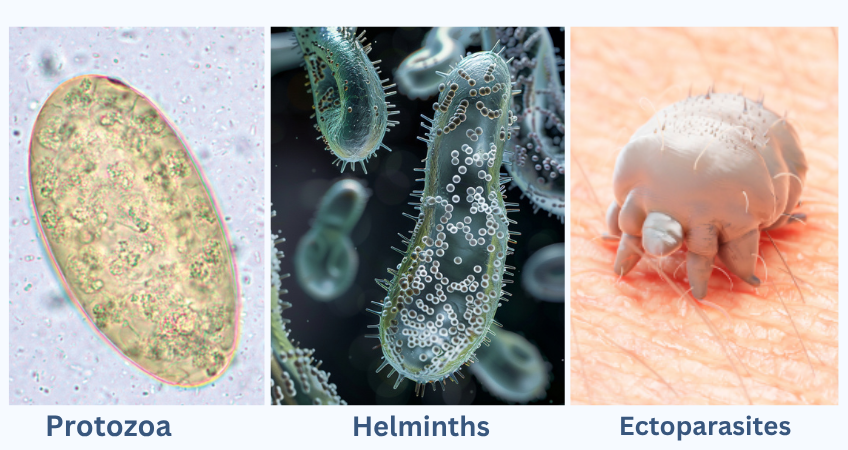
Parasites are organisms that live on or inside a host and derive nutrients at the host’s expense. They can infect the intestines, skin, blood, and other parts of the body. Common human parasites include:
-
Protozoa (e.g., Giardia, Entamoeba histolytica)
-
Helminths (worms like Ascaris, Tapeworms, Pinworms)
-
Ectoparasites (e.g., lice, mites, fleas)
Parasitic infections can cause symptoms like:
-
Digestive issues (bloating, diarrhea, constipation)
-
Fatigue
-
Skin irritation
-
Nutritional deficiencies
While pharmaceutical antiparasitic medications are effective, many people seek natural alternatives or complementary remedies, with garlic being one of the most popular.
Garlic and Its Historical Use Against Parasites
Garlic (Allium sativum) has been used for thousands of years in traditional medicine. Ancient civilizations like the Egyptians, Greeks, Chinese, and Indians recognized its medicinal qualities, particularly for fighting infections and purifying the body. In Ayurveda and Traditional Chinese Medicine (TCM), garlic was often recommended to eliminate intestinal worms, detoxify the digestive tract, and strengthen immunity.
Traditional knowledge about garlic has paved the way for modern scientific studies on its antibacterial and antiparasitic properties. Research now confirms that garlic contains potent sulfur-containing compounds, including allicin, ajoene, and diallyl disulfide, which work by disrupting parasite metabolism, damaging cell membranes, and preventing their reproduction. These natural compounds have been shown to be effective against a wide range of protozoa and helminths, making garlic a valuable natural remedy for parasite cleansing. Incorporating garlic into your diet or natural health routine may support the body in managing parasitic infections and promoting overall digestive health.
The Science Behind Garlic’s Antiparasitic Activity
Garlic’s potential as an antiparasitic agent comes from its bioactive sulfur-containing compounds, mainly:
-
Allicin – formed when garlic is chopped or crushed
-
Ajoene
-
Diallyl disulfide (DADS)
-
S-allyl cysteine
These compounds exhibit antimicrobial, antifungal, antiviral, and antiparasitic properties.
1. Allicin – The Main Antiparasitic Agent
Allicin is unstable but highly potent. It has been shown to damage the cell membranes of pathogens, including parasites, effectively disrupting their metabolic functions.
Studies indicate that allicin can inhibit the growth of protozoan parasites such as:
-
Giardia lamblia
-
Entamoeba histolytica
-
Plasmodium falciparum (malaria-causing parasite)
2. Helminthic (Worm) Infections
Garlic extracts have demonstrated efficacy against various intestinal worms in animal and lab studies. According to research:
-
Garlic oil or juice may reduce the load of Ascaris lumbricoides (roundworms) and Schistosoma species.
-
Garlic’s sulfur compounds may interfere with the energy metabolism of helminths, leading to their paralysis and expulsion from the host.
While more clinical human trials are needed, existing evidence supports garlic’s role as a natural anthelmintic (worm expeller).
Garlic vs. Prescription Antiparasitic Drugs
While garlic does show antiparasitic potential, it’s important to note:
| Garlic (Natural) | Prescription Drugs (Pharmaceutical) |
|---|---|
| Gentle on gut flora | May disrupt microbiome |
| Supports immune function | Targets parasites quickly |
| May take longer for effects | Provides faster symptom relief |
| Less risk of resistance | Risk of drug resistance with repeated use |
| May be used as a supplement | Must be used under medical supervision |
Conclusion: Garlic can be a supportive treatment or preventive strategy, but for severe infections, pharmaceutical antiparasitics (medication for parasites in humans) may be necessary.
How to Use Garlic for Parasite Cleansing
If you’re considering using garlic to support parasite cleansing, here are some methods commonly used:
1. Raw Garlic Cloves
-
Crush 1–2 cloves and let them sit for 10 minutes (activates allicin)
-
Swallow with water or mix with honey
-
Best taken on an empty stomach
2. Garlic Juice or Extract
-
Juice fresh garlic and mix with water or lemon juice
-
Commercial garlic extracts are available in capsules or tinctures
3. Garlic Oil or Supplements
-
Garlic oil capsules are a more convenient option
-
Choose standardized supplements with a known amount of allicin
Important: Always consult with a healthcare provider before starting any natural detox or antiparasitic program.
Potential Side Effects of Using Garlic
Garlic is generally safe when used in moderation, but some people may experience:
-
Stomach upset
-
Heartburn
-
Bad breath or body odor
-
Allergic reactions
-
Blood thinning (avoid if taking anticoagulants)
Overuse may irritate the gastrointestinal tract, especially when consumed raw in large amounts.
Scientific Studies Supporting Garlic’s Antiparasitic Effects
Several studies support garlic’s potential as an antiparasitic drug:
-
A 2009 study in the Parasitology Research Journal found that garlic extract reduced Giardia and Entamoeba infections in rats.
-
Another study in Fitoterapia showed garlic had antimalarial activity, inhibiting the development of Plasmodium falciparum.
-
In-vitro studies have shown that allicin destroys parasitic protozoa and helminths by affecting membrane integrity and enzyme activity.
Although most studies are preliminary or conducted on animals, the findings are promising and warrant more clinical trials in humans.
Garlic as Part of a Holistic Parasite Cleanse
A full natural parasite cleanse often includes:
-
Dietary changes (low sugar, high fiber)
-
Other herbs like black walnut, wormwood, and clove
-
Probiotics to restore gut flora
-
Hydration and detox practices
Garlic can play a powerful role in this regimen due to its antimicrobial and immune-boosting properties.
Final Verdict: Is Garlic Antiparasitic?
Yes, garlic has significant antiparasitic properties, backed by both traditional usage and modern research. Its active compound allicin, along with other sulfur compounds, helps kill or weaken parasites by disrupting their cellular processes. While it may not replace prescription medications for severe parasitic infections, garlic is a valuable natural remedy that can support prevention and mild detoxification.
If you’re looking for a natural way to support parasite health, adding garlic to your daily diet under medical guidance—may offer several benefits beyond just fighting infections.
FAQs: Garlic and Parasites
1. How long does it take for garlic to kill parasites?
Ans: It varies based on the type of parasite and the severity of infection. Consistent use over 1–2 weeks may show improvements in mild cases.
2. Can I use garlic for pinworms or tapeworms?
Ans: Yes, garlic is often used traditionally for intestinal worms, but severe cases should be treated with medications.
3. Can children use garlic for parasites?
Ans: Yes, but in very small amounts and under the supervision of a healthcare provider.
4. Can garlic kill protozoa?
Ans: Yes. Garlic’s active compound allicin can help kill certain protozoa like Giardia lamblia and Entamoeba histolytica in lab studies. While valued in traditional medicine for garlic detoxing parasites, it should be used as a support, not a replacement, for prescribed treatments.