Sorry, nothing in cart.
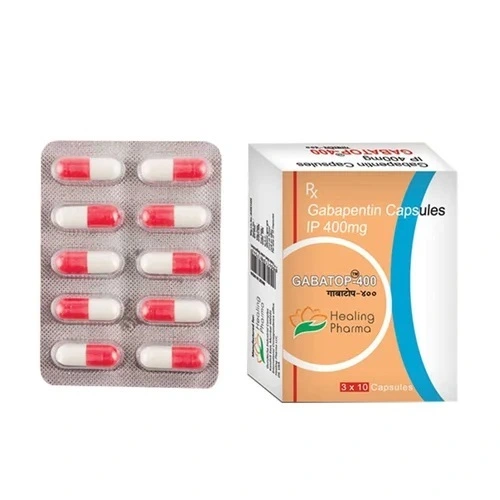
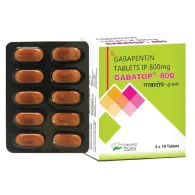
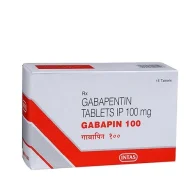
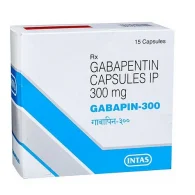
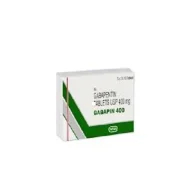
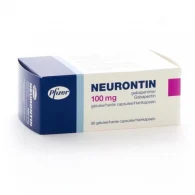
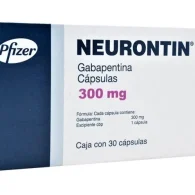
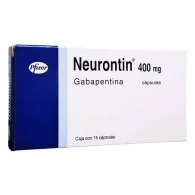
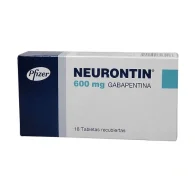
Gabapentin 400mg Capsule
In Stock
Available Options
| pack size | Price | Quantity | |
|---|---|---|---|
| 100 Capsules | $75.00 | ||
| 200 Capsules | $130.00 | ||
| 300 Capsules | $175.00 | ||
| 500 Capsules | $245.00 |
Quick Overview
| Brand Name: | Gabapentin 400 |
| Generic Name: | Gabapentin |
| Active Ingredient: | Gabapentin |
| Manufacturer: | Healing Pharma |
| Drug Class: | Anticonvulsant |
| Strength: | 400 mg |
| SKU: | GBPNT400 |
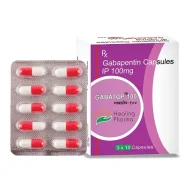
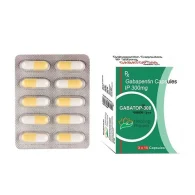
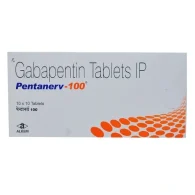
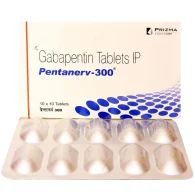
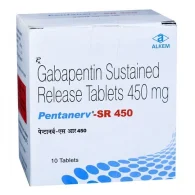
| Packaging: | 10 tablets in 1 Strip |
| Treatment: | Neuropathic Pain |
| Time Duration: | 30 to 60 minutes |
| Price: | $75 – $245 |
Product Description
Gabapentin 400mg is a widely prescribed medication that belongs to the class of anticonvulsants and neuropathic pain relievers. Initially developed to manage epilepsy, Gabapentin has now become one of the most frequently used drugs for treating various types of nerve-related pain, seizures, and certain anxiety disorders. Its effectiveness in controlling abnormal nerve activity makes it valuable in multiple medical conditions, particularly those involving neuropathic pain and seizure disorders.
In this article, we will explore Gabapentin 400 mg in detail, including its uses, mechanism of action, dosage, benefits, side effects, and precautions.
What is Gabapentin 400 mg?
Gabapentin 400 mg is a prescription-only medicine available in capsule or tablet form. It belongs to the anticonvulsant drug class, which means it helps control seizures by stabilizing nerve activity in the brain. Beyond epilepsy, Gabapentin has gained wide acceptance as a treatment for neuropathic pain—a type of pain that arises from damaged or dysfunctional nerves.
The 400 mg strength is commonly prescribed as part of a treatment plan, with the dosage carefully adjusted by healthcare professionals based on the patient’s condition, age, and response to therapy.
How Gabapentin 400 mg Works
Gabapentin works by affecting the way nerves send messages to the brain. Specifically, it binds to certain calcium channels in nerve cells, which helps reduce the excessive release of neurotransmitters responsible for pain and seizures.
- In seizures, it prevents overactive electrical activity in the brain, thereby stabilizing nerve signals.
- In neuropathic pain, it reduces abnormal nerve firing, helping relieve sensations such as burning, tingling, or shooting pain.
Unlike opioid painkillers, Gabapentin does not directly act on pain receptors but modifies nerve activity, making it a safer long-term option in many cases.
Medical Uses of Gabapentin 400 mg
Gabapentin 400mg is prescribed for a wide range of conditions, including:
1. Epilepsy (Seizure Control)
Used a
Commonly used for nerve pain caused by conditions such as:
- Diabetic neuropathy
- Post-herpetic neuralgia (pain after shingles)
- Peripheral neuropathy
- Spinal cord injuries
-
Patients often experience significant relief from burning, tingling, or stabbing pain sensations.
3. Post-Surgical Pain
-
Gabapentin is sometimes prescribed after surgeries (orthopedic, abdominal, thoracic, or Caesarean delivery) to reduce acute and chronic pain and minimize the need for opioids.
4. Restless Legs Syndrome (RLS)
-
Helps relieve discomfort and urge to move the legs, particularly at night, thereby improving sleep quality.
5. Anxiety Disorders (Off-Label Use)
-
Though not officially approved, Gabapentin is sometimes used off-label to manage anxiety and mood disorders, as it can reduce overactivity in the nervous system.
Benefits of Gabapentin 400mg
- Effective Pain Relief: Provides significant reduction in neuropathic pain symptoms.
- Seizure Management: Helps control partial seizures when combined with other antiepileptic drugs.
- Non-Opioid Option: Safer than long-term opioid use, with lower addiction potential.
- Improves Quality of Life: Reduces discomfort, improves sleep, and enhances daily functioning.
- Well-Tolerated: Generally safe for long-term use under medical supervision.
Dosage and Administration
The exact dosage of Gabapentin 400mg depends on the patient’s medical condition, age, and response to treatment. Doctors typically start with a low dose and gradually increase it to minimize side effects.
- For seizures: Dosage may start from 300 mg daily and increase gradually. 400mg can be used multiple times daily depending on the treatment plan.
- For neuropathic pain: Initial doses may start at 300 mg, progressing to 400 mg or higher, usually taken 2 to 3 times daily.
- Maximum dose: In some cases, doctors may prescribe up to 3600 mg per day in divided doses.
Administration tips:
- Take Gabapentin with or without food.
- Swallow capsules whole with water.
- Take at the same time each day for best results.
- Do not stop suddenly; dosage should be tapered gradually under medical guidance.
Side Effects of Gabapentin 400mg
Like all medications, Gabapentin may cause side effects, though not everyone experiences them.
Common Side Effects
- Drowsiness
- Dizziness
- Fatigue
- Nausea or vomiting
- Swelling in legs or feet
- Blurred vision
Serious Side Effects (Seek medical help immediately)
- Severe mood changes (anxiety, depression, suicidal thoughts)
- Allergic reactions (rash, itching, swelling, breathing difficulty)
- Severe dizziness or loss of coordination
- Unusual bleeding or bruising
Precautions and Warnings
Before taking Gabapentin 400mg, patients should keep the following in mind:
- Pregnancy & Breastfeeding: Should only be taken if clearly needed and prescribed by a doctor.
- Kidney Impairment: Dose adjustment may be required in patients with kidney disease.
- Alcohol & Sedatives: Avoid alcohol and other sedatives, as they can increase drowsiness.
- Driving & Machinery: Gabapentin may cause dizziness or drowsiness—avoid driving until you know its effects.
- Drug Interactions: Inform your doctor if you are taking antacids, opioids, or other medicines, as these may interact with Gabapentin.
Overdose and Missed Dose
-
Overdose: Taking more than the prescribed dose can cause double vision, slurred speech, drowsiness, and even unconsciousness. Seek immediate medical help.
-
Missed Dose: Take it as soon as you remember, unless it’s almost time for your next scheduled dose. Do not double the dose to make up for a missed one.
Alternatives to Gabapentin 400mg
For patients who cannot tolerate Gabapentin, doctors may prescribe alternatives such as:
-
Pregabalin (Lyrica) – similar mechanism, often used for neuropathic pain.
-
Carbamazepine – effective for certain nerve pain conditions and seizures.
-
Duloxetine – an antidepressant that also works for neuropathic pain.
Conclusion
Gabapentin 400 mg is a versatile medication that plays a vital role in managing neuropathic pain, seizures, restless legs syndrome, and post-surgical pain. By calming overactive nerves and stabilizing abnormal signals, it not only relieves discomfort but also helps patients regain control over their daily lives. While generally safe, it should always be taken under the supervision of a healthcare professional, as dosage adjustments and monitoring are often required to maximize benefits and minimize risks.
For individuals suffering from chronic nerve pain or seizures, Gabapentin 400mg offers a reliable and effective treatment option, significantly improving quality of life when used responsibly.
Additional information
| pack size | 100 Capsules, 200 Capsules, 300 Capsules, 500 Capsules |
|---|

Reviews
There are no reviews yet.