
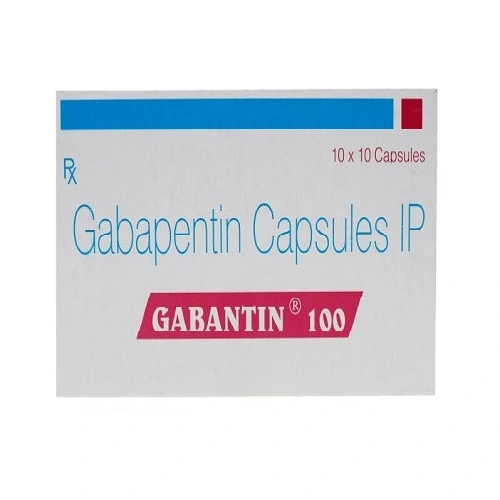
Product Description
Gabantin 100 mg is a prescription medicine primarily used to treat neuropathic pain and epilepsy. It contains active ingredient gabapentin, classified as an anticonvulsant (or anti-epileptic) drug and a gabapentinoid, which is considered a first-line treatment for the management of diabetic neuropathic pain, post-herpetic neuralgia, partial seizures, nerve pain from shingles, and restless leg syndrome.
What is Gabantin 100 mg?
Gabantin 100 mg capsule is used primarily to treat neuropathic (nerve) pain and certain types of seizures. It contains Gabapentin classify it as a Schedule V controlled substance, Gabantin manufactured by Sun Pharmaceutical Industries Ltd Good Manufacturing Practice (cGMP) standards. It widely prescribed for neuropathic pain caused by nerve damage from conditions such as diabetes (diabetic neuropathy), shingles (postherpetic neuralgia), spinal cord injury, and other nerve-related issues.
How Gabantin Works
Gabantin 100 mg is structurally similar to the brain chemical gamma-aminobutyric acid (GABA), which plays a role in calming nerve activity. However, it does not directly mimic GABA. Instead, it works mainly by affecting calcium channels in the nervous system, helping reduce excessive nerve activity and relieve nerve pain.
Uses of Gabantin 100 mg
Gabantin 100 mg is widely used in various medical conditions related to nerve pain and seizures. Below are its primary indications:
1. Neuropathic Pain
Neuropathic pain arises due to nerve damage, commonly occurring in conditions such as:
- Diabetic Neuropathy – Nerve damage caused by high blood sugar levels in diabetic patients.
- Postherpetic Neuralgia – Persistent pain following a shingles infection.
- Fibromyalgia – Widespread musculoskeletal pain linked to neurological dysfunction.
2. Epilepsy (Seizure Disorders): Gabapentin is an effective anticonvulsant that helps manage partial seizures by stabilizing electrical activity in the brain.
3. Restless Leg Syndrome (RLS): Some doctors prescribe Gabantin 100 mg off-label for Restless Leg Syndrome (RLS) to alleviate discomfort and involuntary leg movements.
4. Migraine Prevention: Though not an FDA-approved indication, some studies suggest Gabapentin can help reduce the frequency of migraine headaches.
Substitutes and Strengths
Side Effects
Like all medications, Gabantin 100 mg may cause side effects. Some are mild and temporary, while others require medical attention.
Common Side Effects:
- Drowsiness
- Dizziness
- Fatigue
- Dry mouth
- Nausea
- Blurred vision
Serious Side Effects:
- Difficulty breathing
- Severe confusion or hallucinations
- Swelling of hands, feet, or face (sign of an allergic reaction)
- Unusual mood changes or suicidal thoughts
If you experience any severe side effects, seek medical help immediately.
Safety Advice
Alcohol: Avoid alcohol or speak with your doctor before drinking while taking Gabantin 100 mg. Alcohol can increase dizziness and drowsiness caused by the medicine.
Kidney Problems: Tell your doctor if you have kidney disease. Gabantin is cleared from the body mainly through the kidneys, so the dose may need to be adjusted when kidney function is reduced.
Liver Problems: Inform your doctor about any liver condition or other medical problems before taking Gabantin. Your doctor can determine whether any additional monitoring or treatment adjustments are needed.
Pregnancy: If you are pregnant, planning to become pregnant, or think you may be pregnant, talk to your doctor before using Gabantin. The current prescribing information warns that gabapentin may pose a risk to the fetus based on animal data.
Driving: Gabantin may cause dizziness, drowsiness, or slower thinking and motor skills. Avoid driving or operating machinery until you know how the medicine affects you.
Drug Interactions
Gabantin 100 mg can interact with several medications, altering its effectiveness or increasing side effects.
Common Interactions Include:
- Opioid Painkillers (e.g., Morphine, Tramadol): Increased risk of drowsiness and respiratory depression.
- Alcohol: May enhance dizziness and sedation.
- Antacids (Containing Aluminum or Magnesium): Reduce Gabapentin absorption; take Gabantin 2 hours after antacids.
- Diabetes Medications (e.g., Metformin): Potential alteration in blood sugar levels.
Dosage & Administration
Recommended Dosage:
- Neuropathic Pain: The usual starting dose is 100-300 mg per day, which can be gradually increased based on patient response.
- Epilepsy: Typically, the starting dose is 300 mg per day, divided into multiple doses.
- Restless Leg Syndrome: 100-300 mg before bedtime is commonly prescribed.
How to Take Gabantin 100 mg?
- Take the capsule with or without food, preferably at bedtime.
- Swallow the capsule whole with a glass of water.
- Maintain a consistent schedule to maximize effectiveness.
Missed Dose:
If you forget a dose, take it as soon as you remember. However, if it’s almost time for your next dose, skip the missed dose and resume your regular schedule.
Overdose Warning:
An overdose of Gabantin 100 mg can cause severe dizziness, confusion, slurred speech, and loss of coordination. Seek immediate medical attention if an overdose is suspected.
Reviews
There are no reviews yet.